Don't forget to complete your donation
complete your donation

public volunteering

on governors island

Public volunteer days are one of the easiest ways to get involved with Billion Oyster Project.

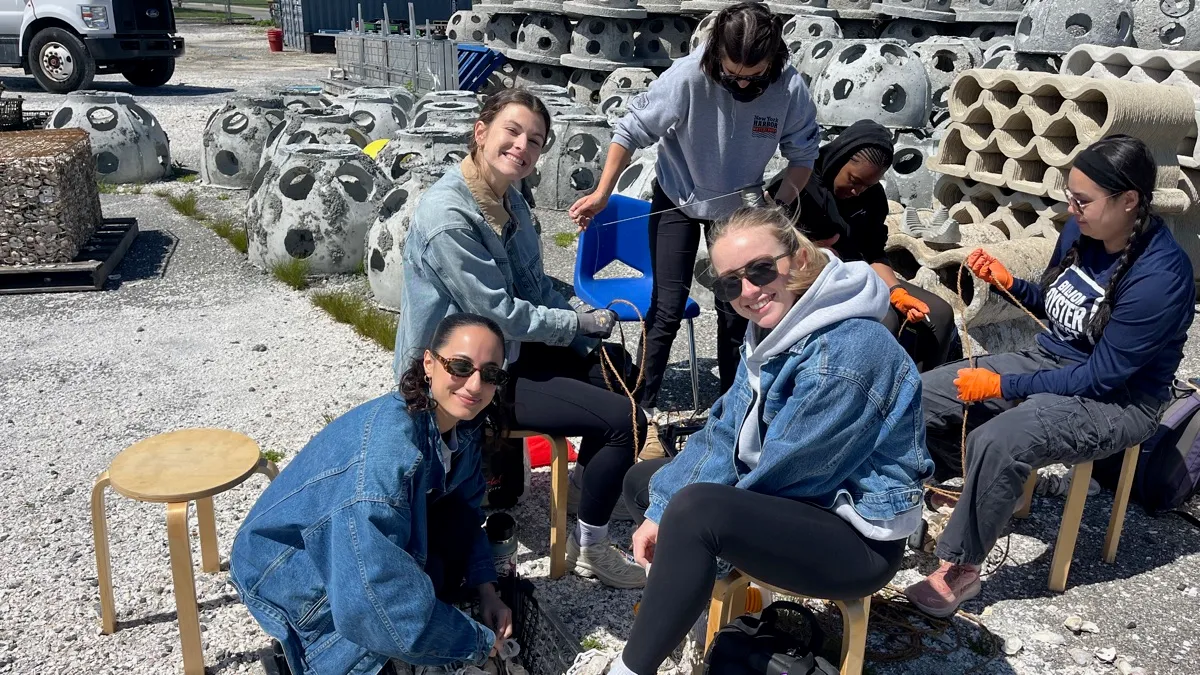
Volunteers tying rope among rows of concrete reef balls at an assembly event
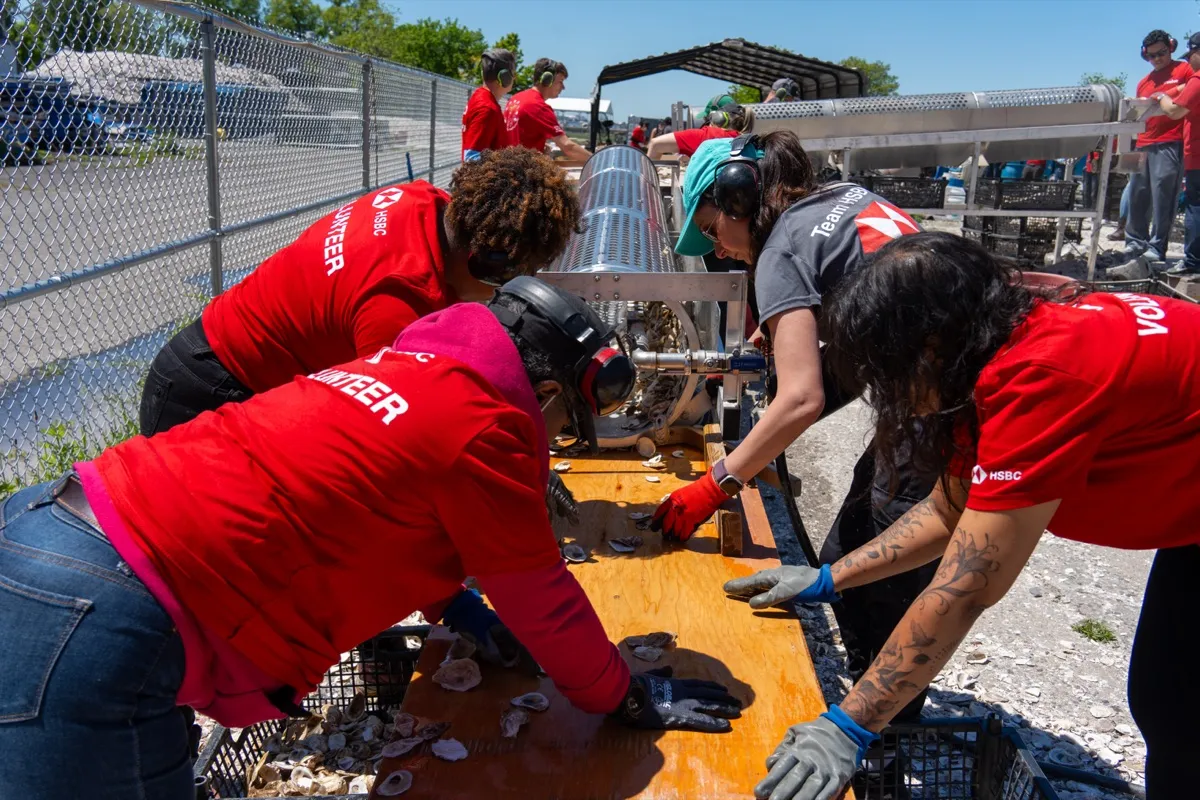
Volunteers in red shirts sorting oyster shells at a table beside the tumbler machine
I really like getting my hands dirty, interacting with wildlife, wading out into the harbor.
Anonymous
Ambassador
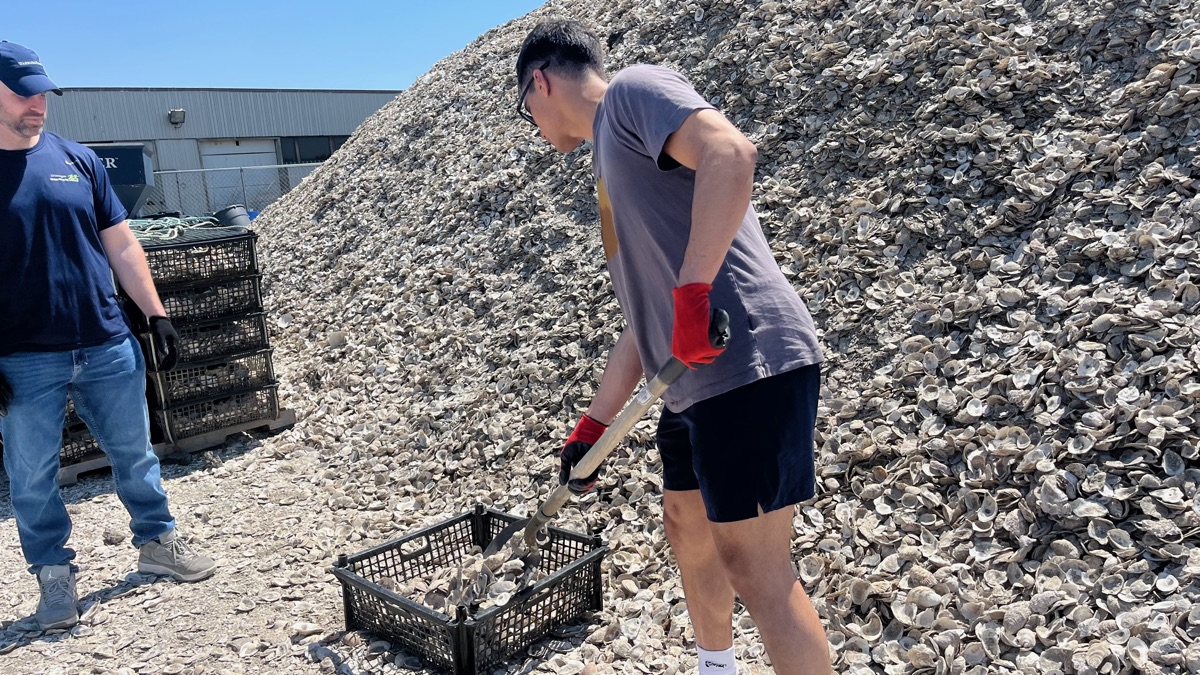
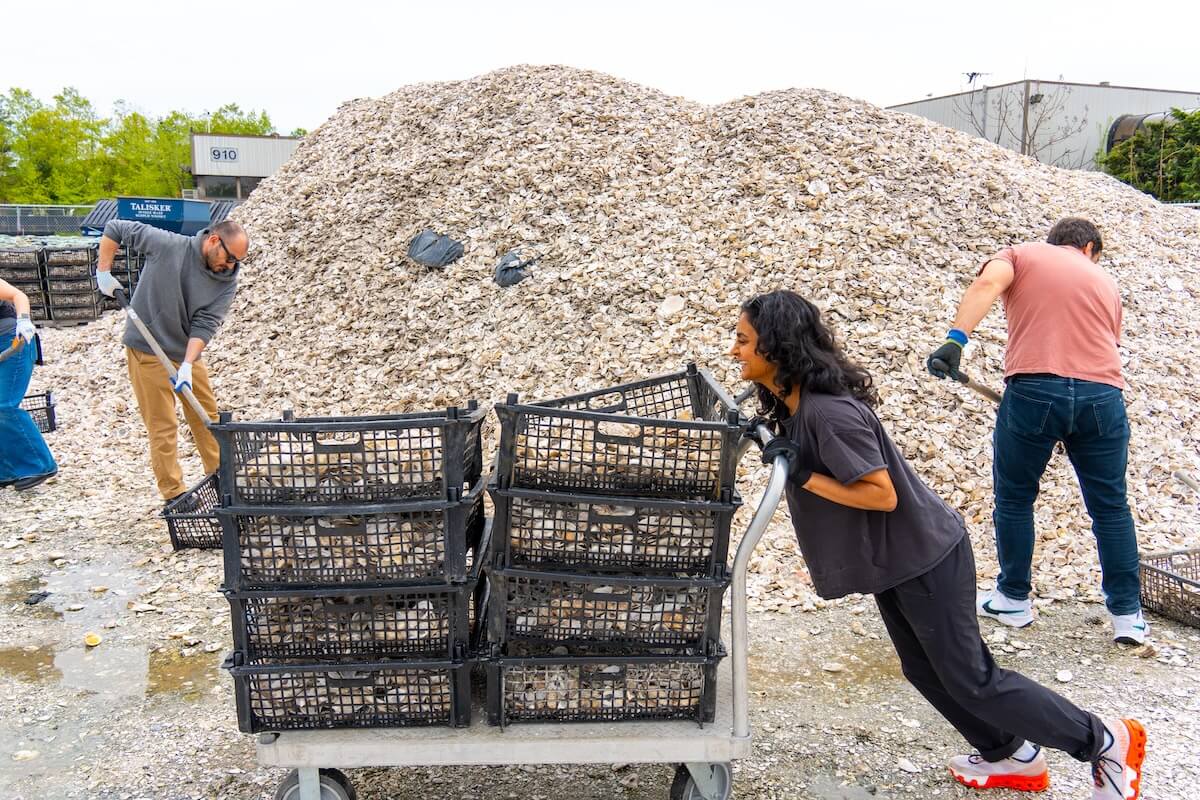
Volunteer shoveling recycled oyster shells into a crate at the base of a shell pile
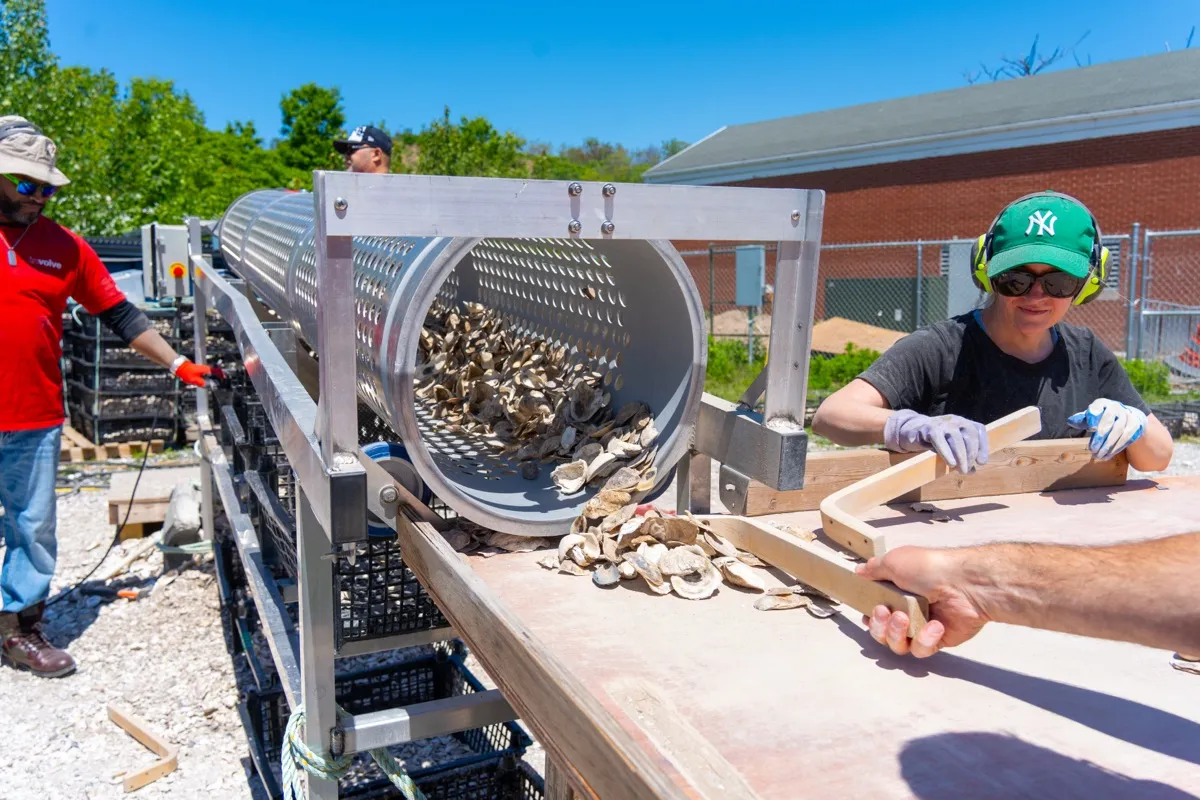
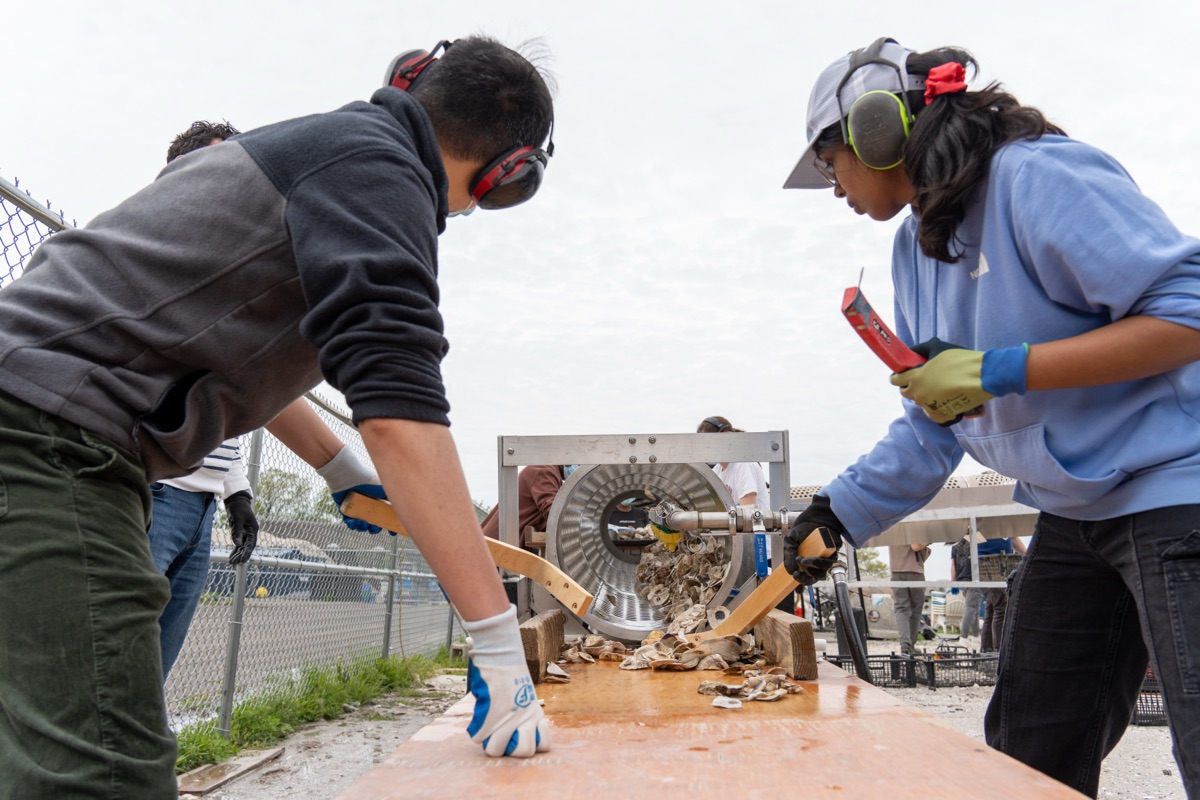
Cleaned oyster shells pouring from a perforated tumbler drum onto a sorting table
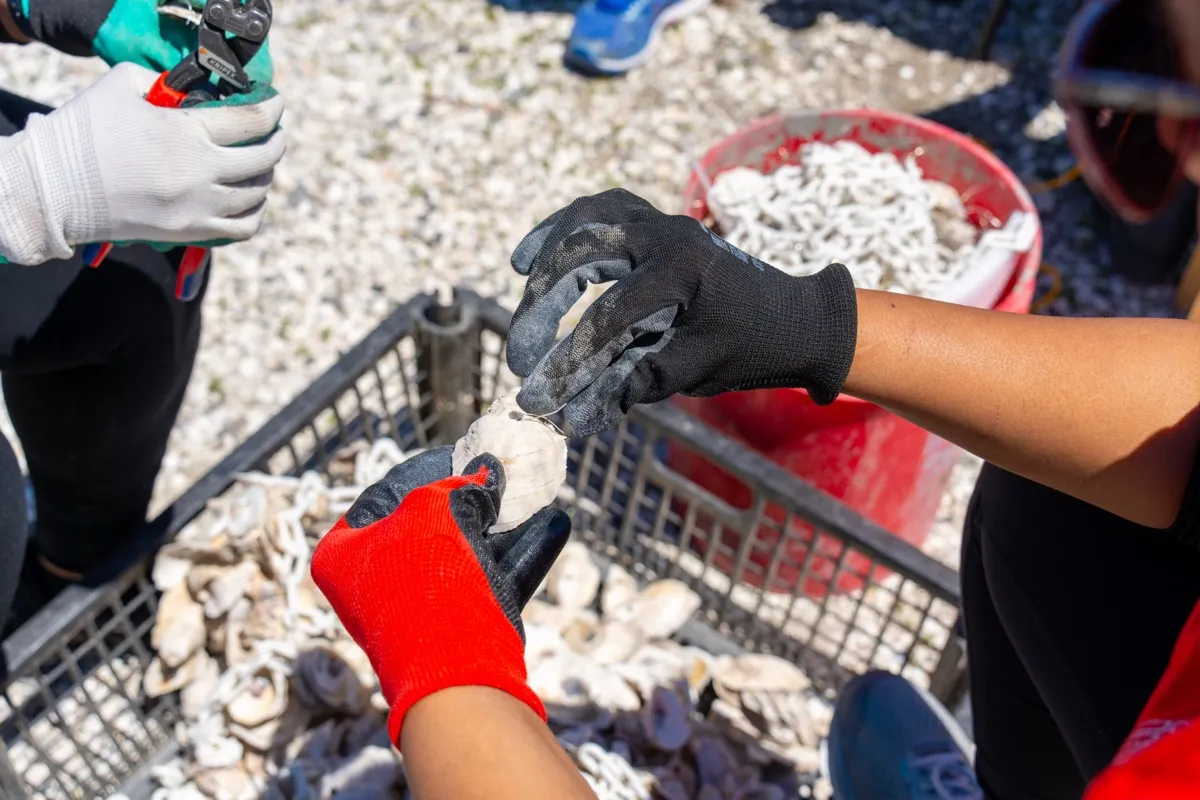
Gloved volunteers inspecting an oyster shell over a crate at a shell sorting event

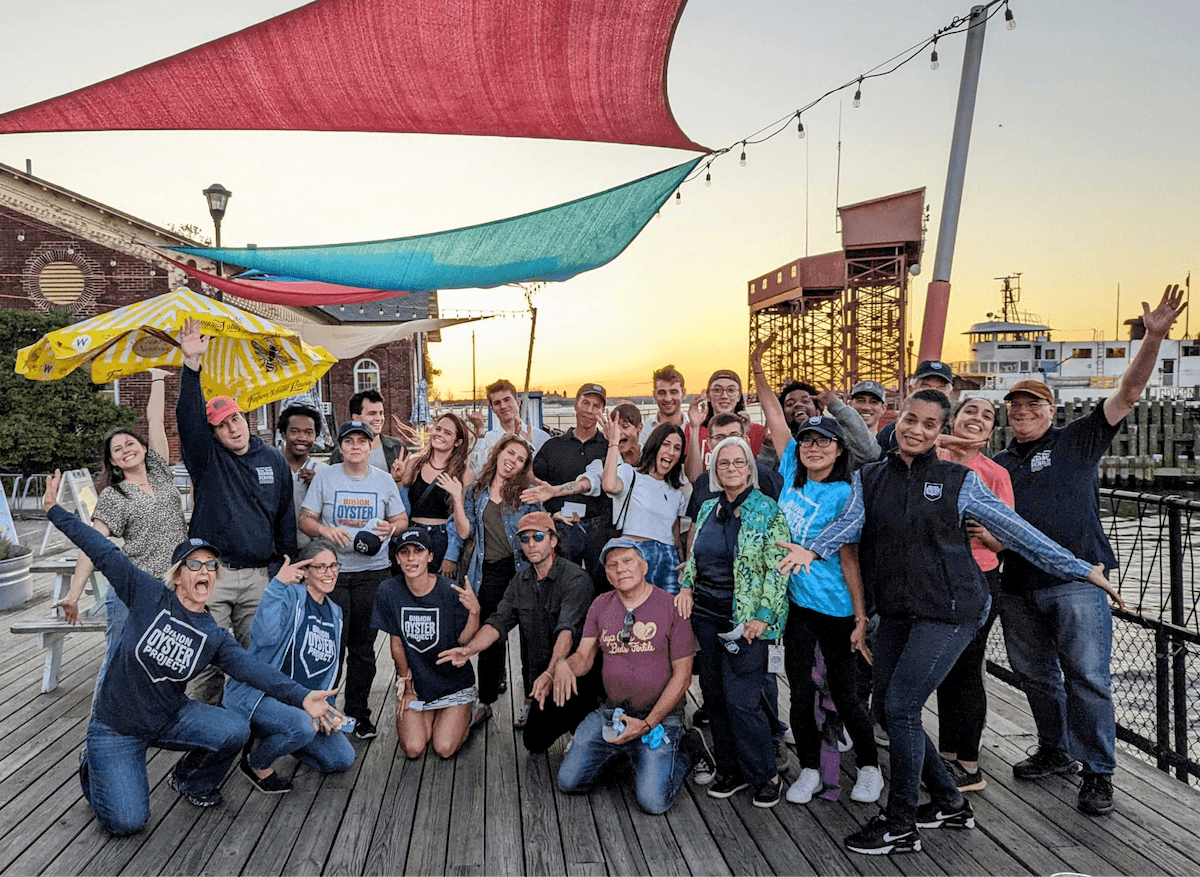
Thousands of volunteers – from 16 to 80 years old – power Billion Oyster Project's mission.

By volunteering on Governors Island, volunteers support the fabricating team with various activities we need at the time. Join a public volunteer day and take a hands-on role in restoration, research, and education. Activities include:

Sorting Shell

Removing debris from collected shells to prepare them for restoration. This step ensures only clean, usable material becomes part of the reef-building process.

Shoveling Shell

Moving shell substrate into position for processing. Volunteers help handle the raw material that will ultimately become the foundation of new oyster habitats.

Cleaning Shell

Using a mechanical tumbler to wash and refine shell substrate. This step prepares shells to safely support marine life in the harbor.

Crushing Shell

Breaking down shells into smaller pieces that can be used in concrete reef structures. This material becomes a key ingredient in building durable habitats.

Mixing Concrete

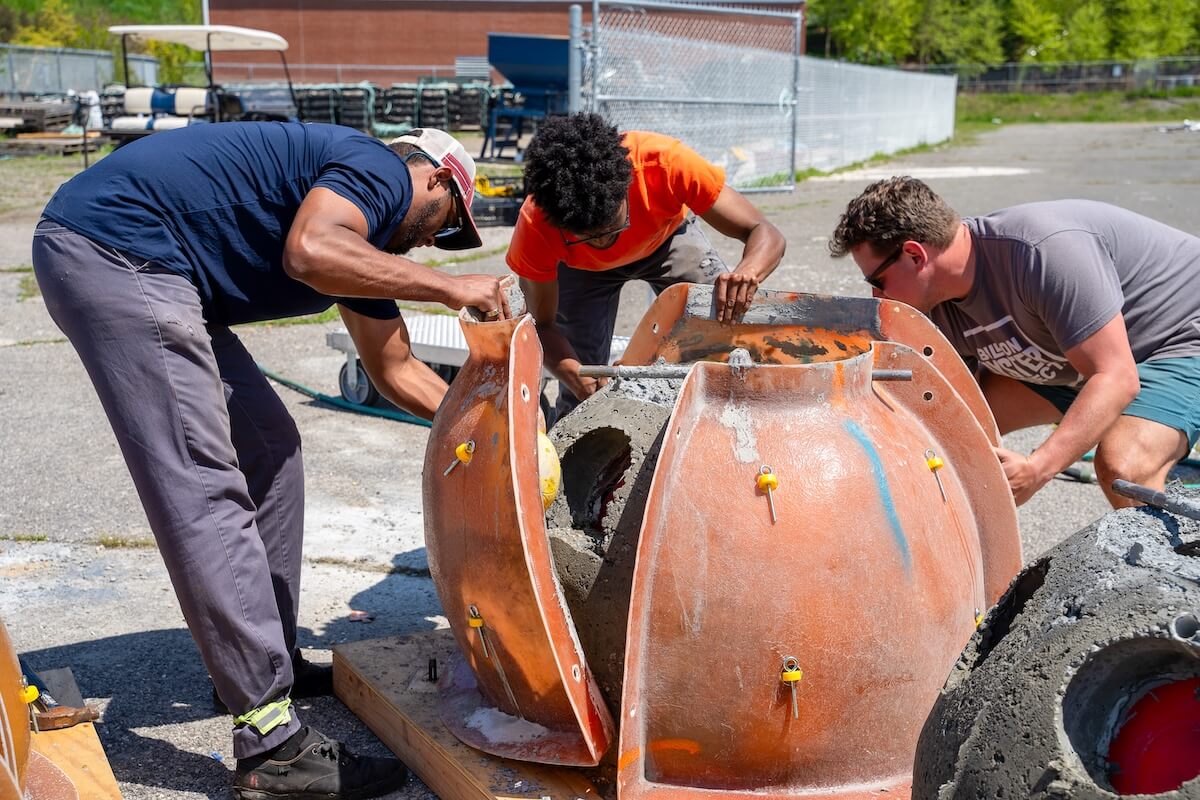
Combining shell and concrete to create the base material for reef structures. Volunteers help produce the building blocks of restoration.

Casting Reef Structures

Filling molds with the shell-concrete mixture and releasing formed pieces. These structures will be deployed in the harbor to support oyster growth.

Managing Shell Inventory

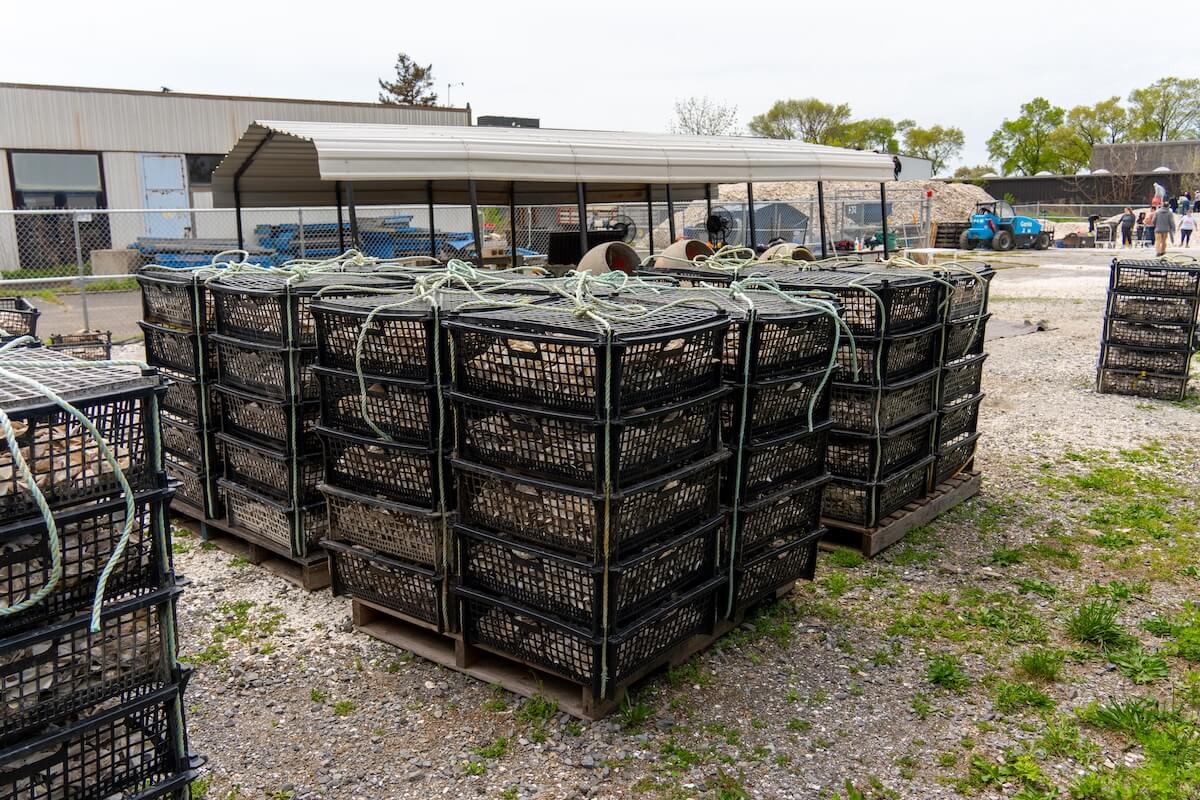
Organizing and moving shell trays to keep the workflow running efficiently. This ensures the entire restoration process stays on track.

Site Clean Up

Maintaining and organizing the shell pile and warehouse spaces by removing debris and supporting general upkeep. This work helps keep our operations running smoothly and ensures a safe, efficient environment for restoration activities.

A few things you should know.

This is physical work.

This is hands-on, physical work. Expect to lift up to ~15 lbs, be on your feet, and get a little dirty. Come prepared to work as a team, and spend time outdoors.

15+ lbs

Please be 18+, or have a guardian.

Volunteer days are open to participants 18+. Volunteers ages 16–17 can join with a guardian. The work is active and requires focus, so we ask that all participants are ready to fully engage.

Age requirements

We'll show you the ropes.

Our team will walk you through everything from the tools, safety, and the work itself. You'll be guided step-by-step, but you'll also be contributing to real restoration work from the start.
training included

Volunteers wearing ear protection guiding oyster shells out of a sorting tumbler

Upcoming volunteer dates

Public volunteering opportunities are typically available Tuesdays through Saturday.

Become an ambassador

Take your volunteering up a notch.
Our most dedicated volunteers have the opportunity to become an official Billion Oyster Project Ambassador and receive training to support field research, restoration operations, and advocacy work.

Take A Deeper Role

Experienced volunteers take on specialized roles supporting restoration, research, education, and outreach across New York Harbor.
Gain field experience

Join field teams monitoring reefs, surveying oysters, and supporting environmental research acroass NYC waterways.

Expand your impact

Help connect New Yorkers to the harbor through student programs, community events, and environmental education.

Where our Ambassadors get to Help

Restoration Support

Spat Counts

Examine reclaimed shell to count juvenile oysters and understand how many are successfully settling. This is one of the clearest indicators of whether restoration is working.

Reef Monitoring

Return to deployed sites to track how reefs are performing over time. This includes measuring growth, survival, and recruitment — all data that shapes how we scale the work.

Building Reef Structures

Work directly on the materials that become reefs. From shell to structure, this is hands-on fabrication that supports active restoration sites across the harbor.

Wild Oyster Surveys

Get out into the harbor to assess wild oyster populations. This work helps us understand where oysters are surviving and where they're not, which ultimately leads to future restoration planning.

Education Support

Student Symposium

Be part of the citywide event where students present their work based on Billion Oyster Project curriculum and learning. Support setup, coordination, and the experience itself.

Student Field Expeditions

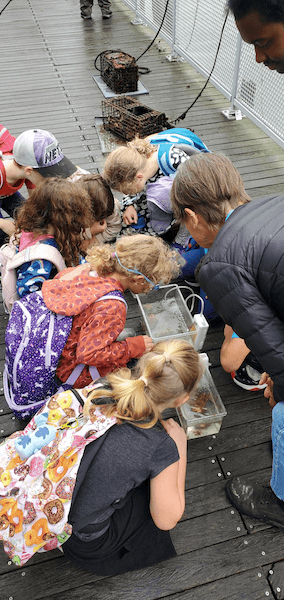
Help facilitate days on the water where students collect data, handle materials, and experience the harbor firsthand. You're supporting both the logistics and the learning.

Oyster Research Stations (ORS)

Support the upkeep and function of in-water research stations used by NYC students. This work keeps long-term student science projects running.

Advocacy

Restaurant & Oyster Social Events

Represent us alongside restaurant partners. These events connect people to the harbor through food and culture, making the work visible in spaces people love.

Tabling & Outreach Events

Be on the front lines of public engagement. Talk to New Yorkers about what's happening in the harbor and how they can take part.

how to become an ambassador

I really like getting my hands dirty, interacting with wildlife, wading out into the harbor, etc.
Anonymous
Ambassador

0

1

Volunteer First

Start by showing up. Ambassadors come from people who have spent time in the work — at least five volunteer days. This is how you understand what our work actually looks like on the ground and where you want to plug in.

0

2

Submit the Interest Form

Once you've been out in the field, let us know you're interested. The form helps us understand your experience and where you might fit within the program. You'll also review and sign the Ambassador Agreement and Liability Waiver as part of this process.

0

3

Complete Training

Ambassador training covers what you need to step into a more active role. This includes how we do the work, how to support programs in the field, and how to represent Billion Oyster Project in different settings.

0

4

Stay Active

This is an ongoing role. Ambassadors are expected to stay involved by participating in field days and supporting programming throughout the year.