Don't forget to complete your donation
complete your donation
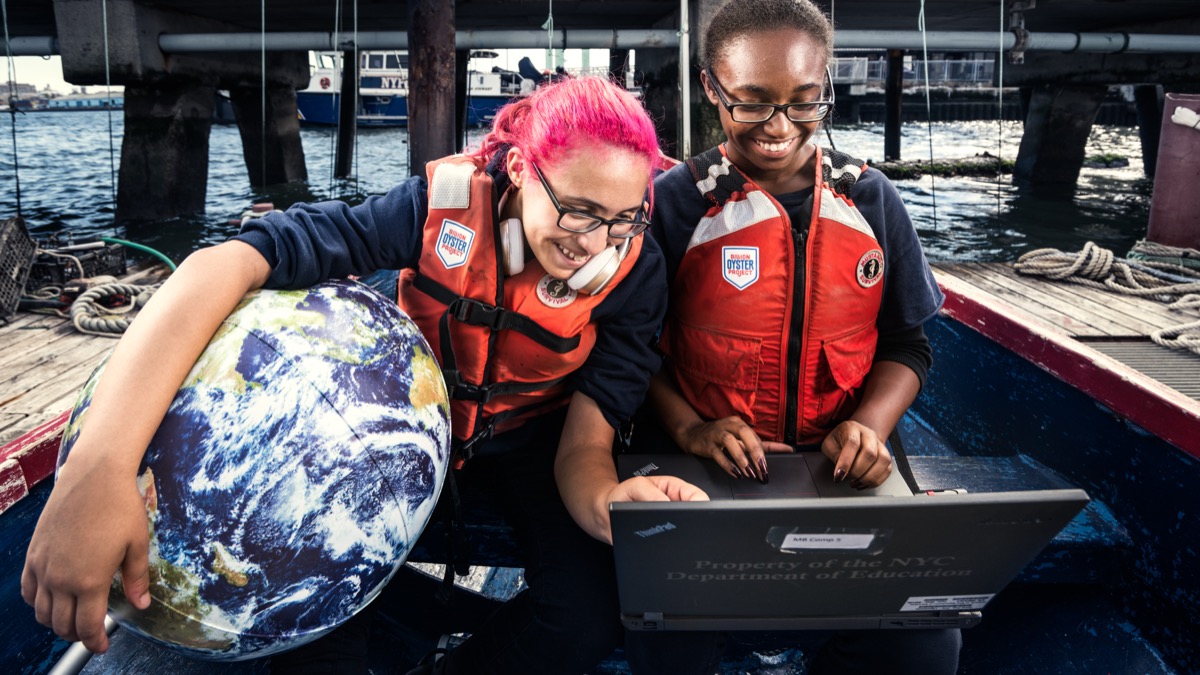
Two smiling students in life vests reviewing data on a laptop aboard a boat, one holding an Earth globe
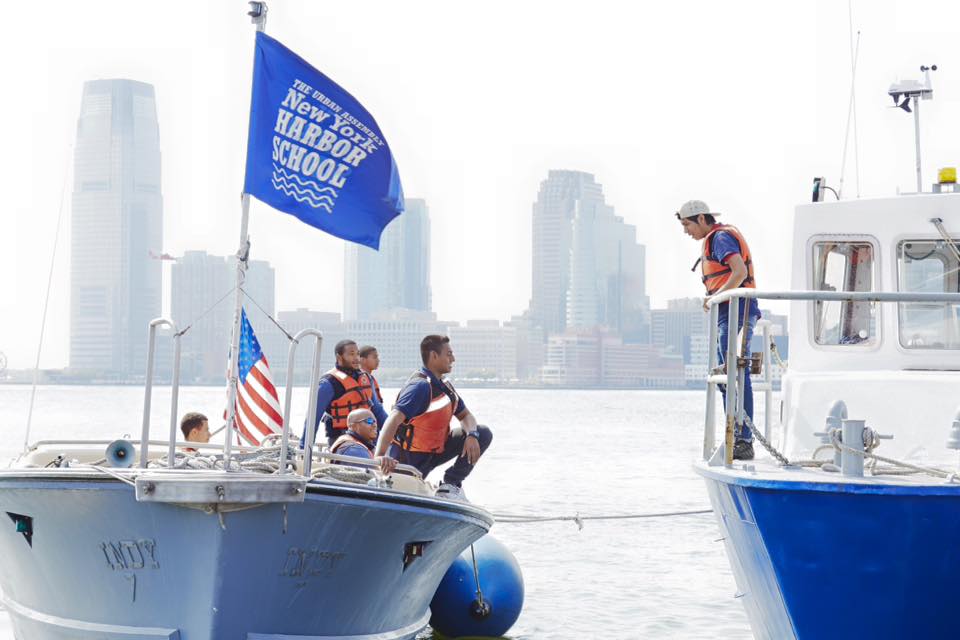
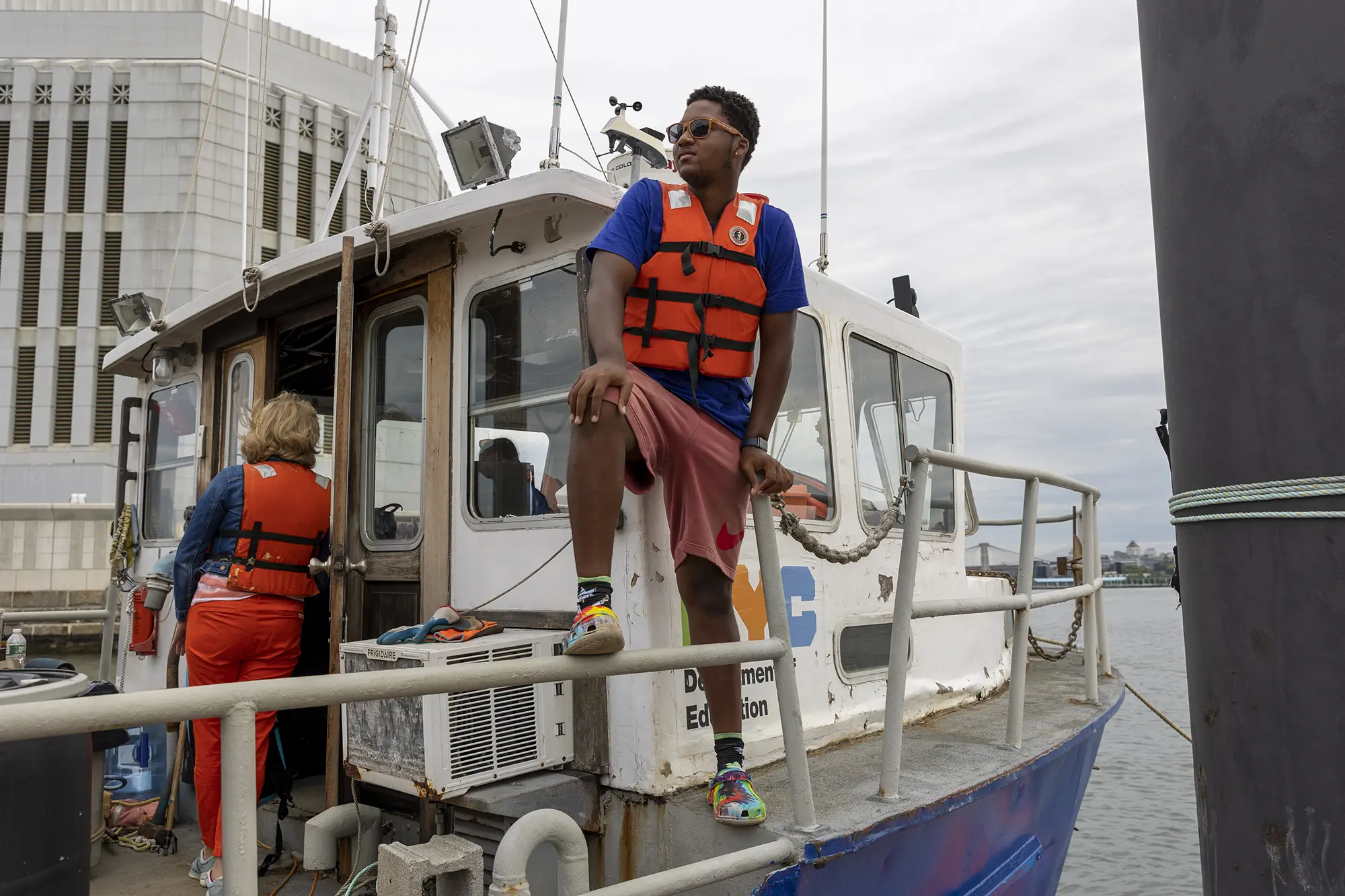
Student in a life vest perched on the rail of a NYC Department of Education boat
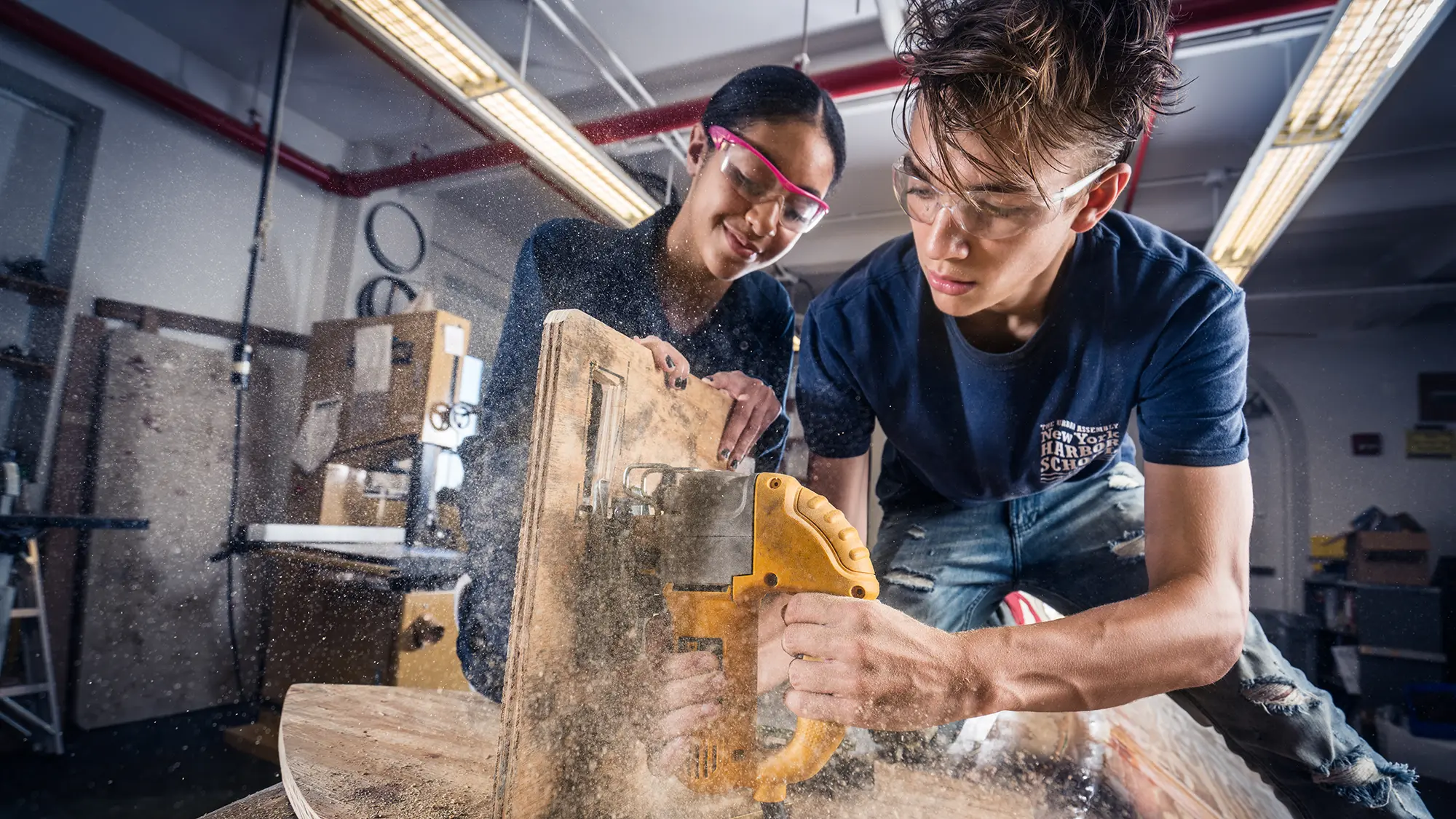
Two Harbor School students in safety goggles cutting wood with a jigsaw in a workshop
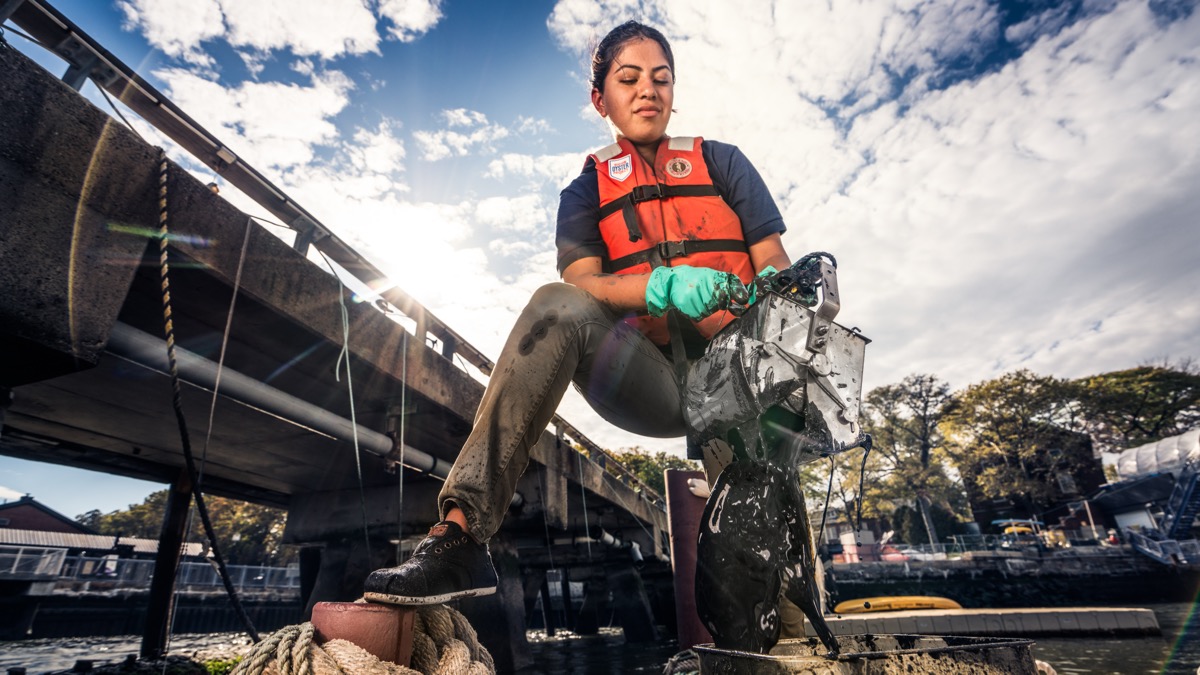
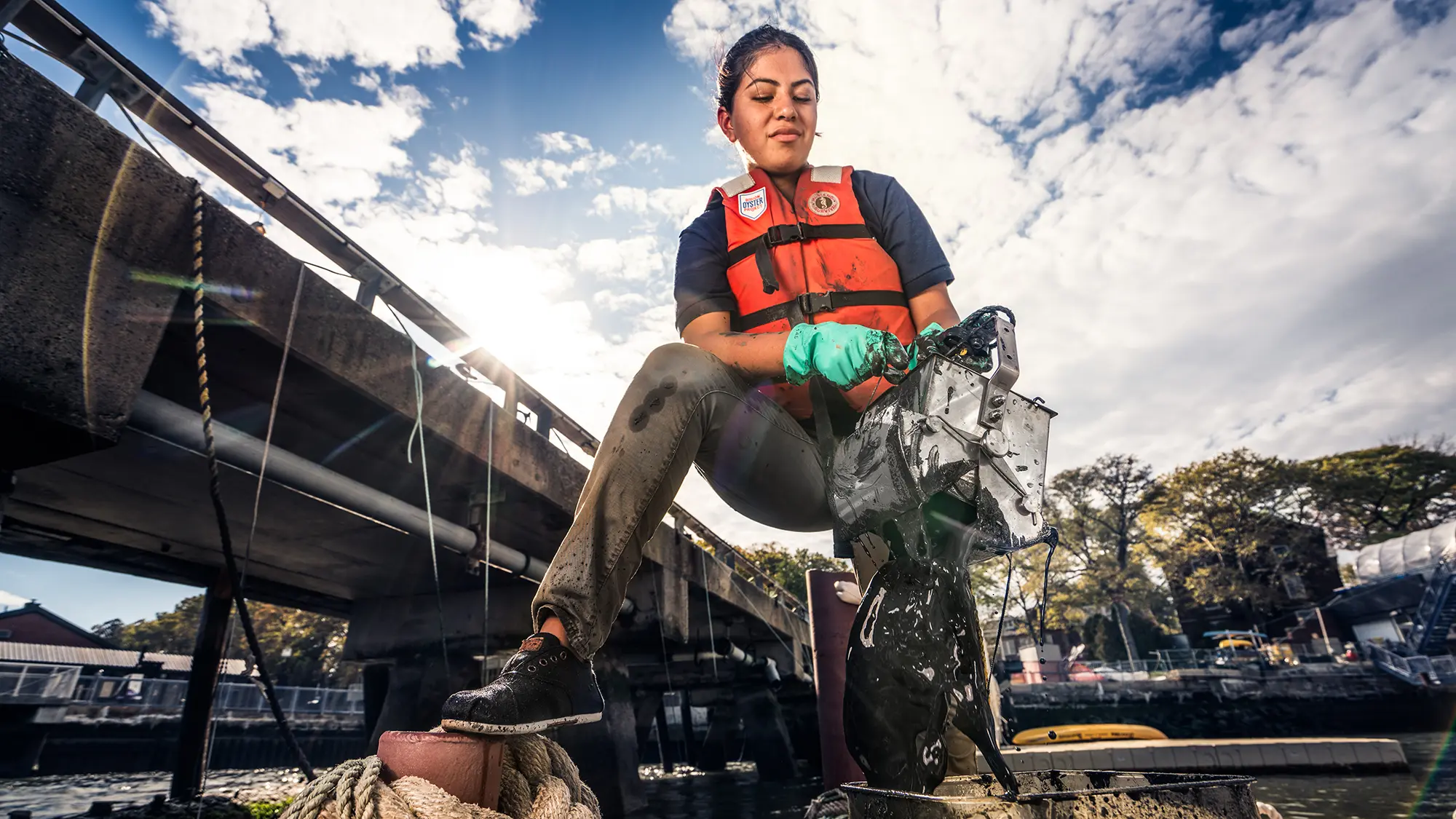
Woman in a life vest hauling a mud-covered oyster research station from the water
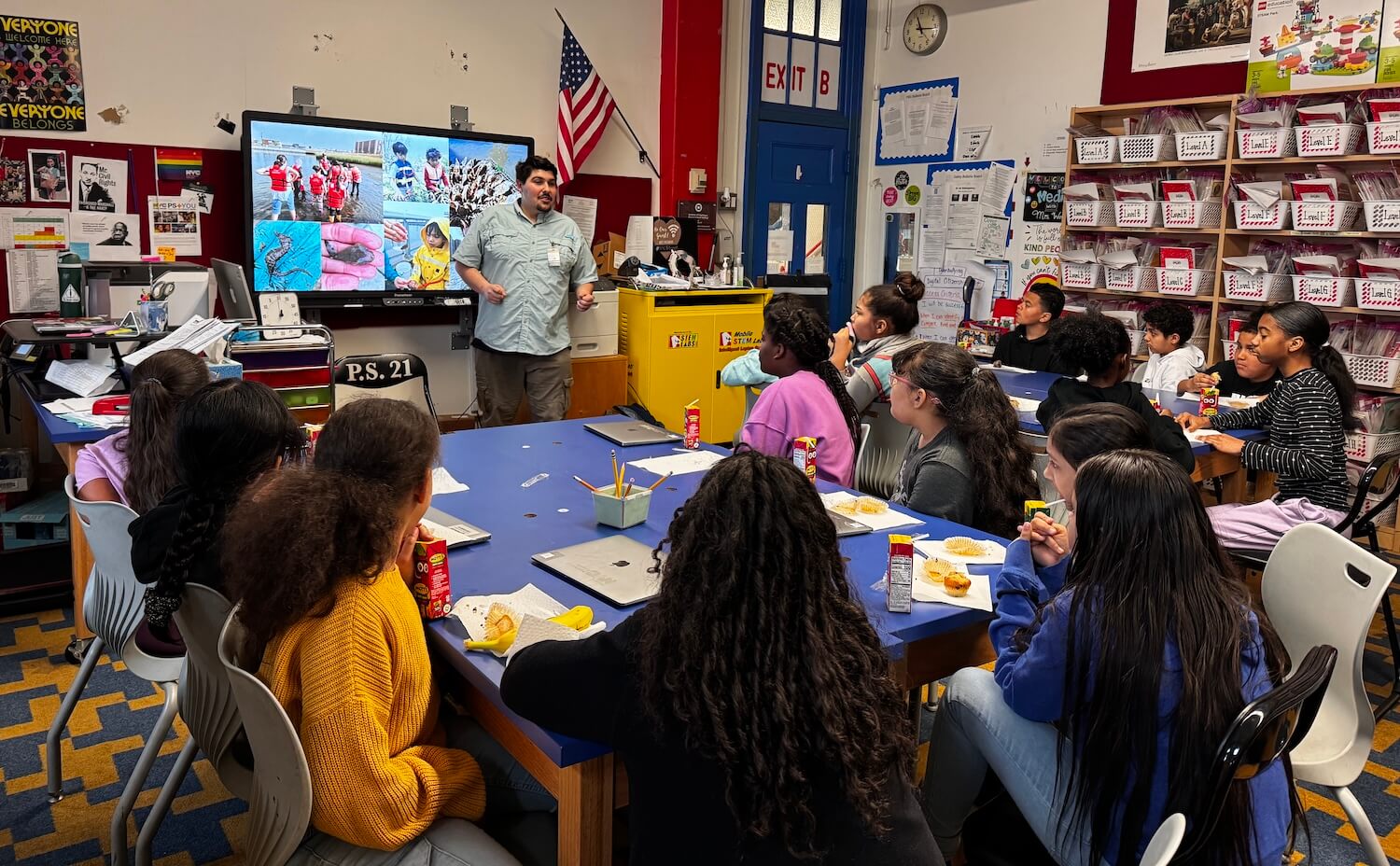
Educator sharing harbor field photos with middle school students in a classroom

education

Since 2014, over
66,134
students and
1,288
teachers have experienced the Harbor with us.
educating the next generation of harbor stewards
donate now
education overview

INSPIRING THE NEXT GENERATION OF HARBOR STEWARDS

We believe students protect what they feel connected to. By bringing learning beyond the classroom and getting outside, we help young New Yorkers build a lifelong relationship with the New York Harbor.

CURRICULUM

Educators gain access to free lesson plans, activities, and tools that bring New York Harbor into the classroom while supporting state and national learning standards.

PROFESSIONAL LEARNING

Educators receive training, resources, and ongoing support to integrate place-based learning into their teaching while earning CTLE credit.
oyster research programs

Educators and students explore live oysters in their classroom and in the Harbor provide inquiry-based learning and hands-on opportunities.
school group experiences

From waterfront expeditions and school visits to restoration activities and special events, students experience New York Harbor as a living ecosystem rather than a distant concept.

annual student symposium

Students share their firsthand investigations into the Harbor rooted in observation, inquiry, and discovery.
workforce development

Students explore opportunities in marine science, restoration, aquaculture, environmental stewardship, and waterfront careers through hands-on experiences and mentorship.

curriculum

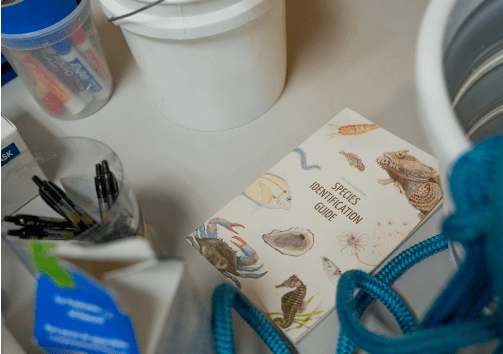
We’ve created 80+ classroom-tested, trusted lessons built around New York Harbor. These custom-crafted materials bring real harbor science into the classroom through hands-on, place-based learning.
Standalone Lessons

Quick-entry, single lessons designed for flexible classroom use. These ready-to-teach resources bring New York Harbor science into 1-3 class periods. Grade-level appropriate versions for K-12 classrooms support teachers in using oysters as a context for teaching common content.

Middle School Units

Sequential, multi-lesson investigations designed for deeper STEM inquiry. Each three-dimensional, NGSS-aligned unit uses oysters or New York Harbor as the anchoring phenomenon, guiding students through hands-on exploration of multiple standards and concepts. Units align with NYC’s Science Scope and Sequence, and can be integrated into or taught in place of core curricula like Amplify.

professional learning

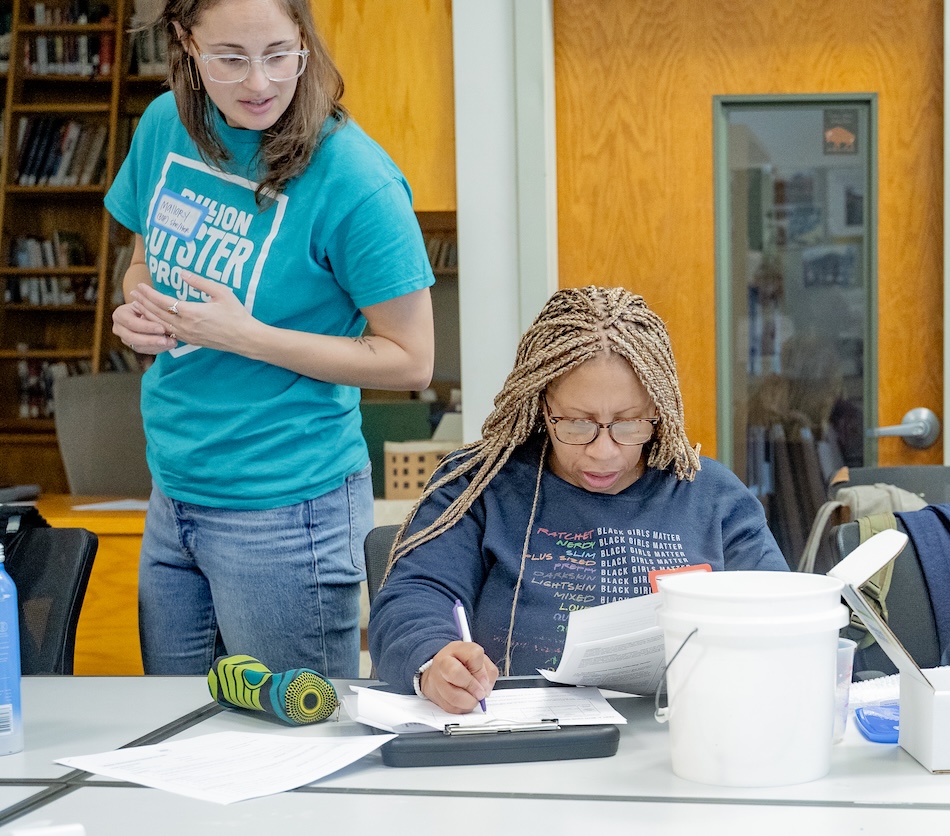
We provide training to support teachers’ professional growth. Teachers earn CTLE credit while building the skills to bring real-world science into their classrooms.
A participant holds a cluster of live oysters during Oyster Research Station training

Oyster Research Station Training

Teachers learn how to monitor live oysters and track biodiversity with their students in the field. After training, they gain access to equipment, curriculum, and shared citywide data through the Oyster Research Station network.
Elementary students use a dropper during a classroom oyster tank lesson

Oyster Research Tank Training

Educators learn to set up and maintain live oyster tanks in their classrooms and integrate them into daily instruction. After training, they receive free materials, curriculum, and support to bring the harbor indoors, with students tracking water quality, observing oyster growth, and building lab-based skills tied to real conditions.
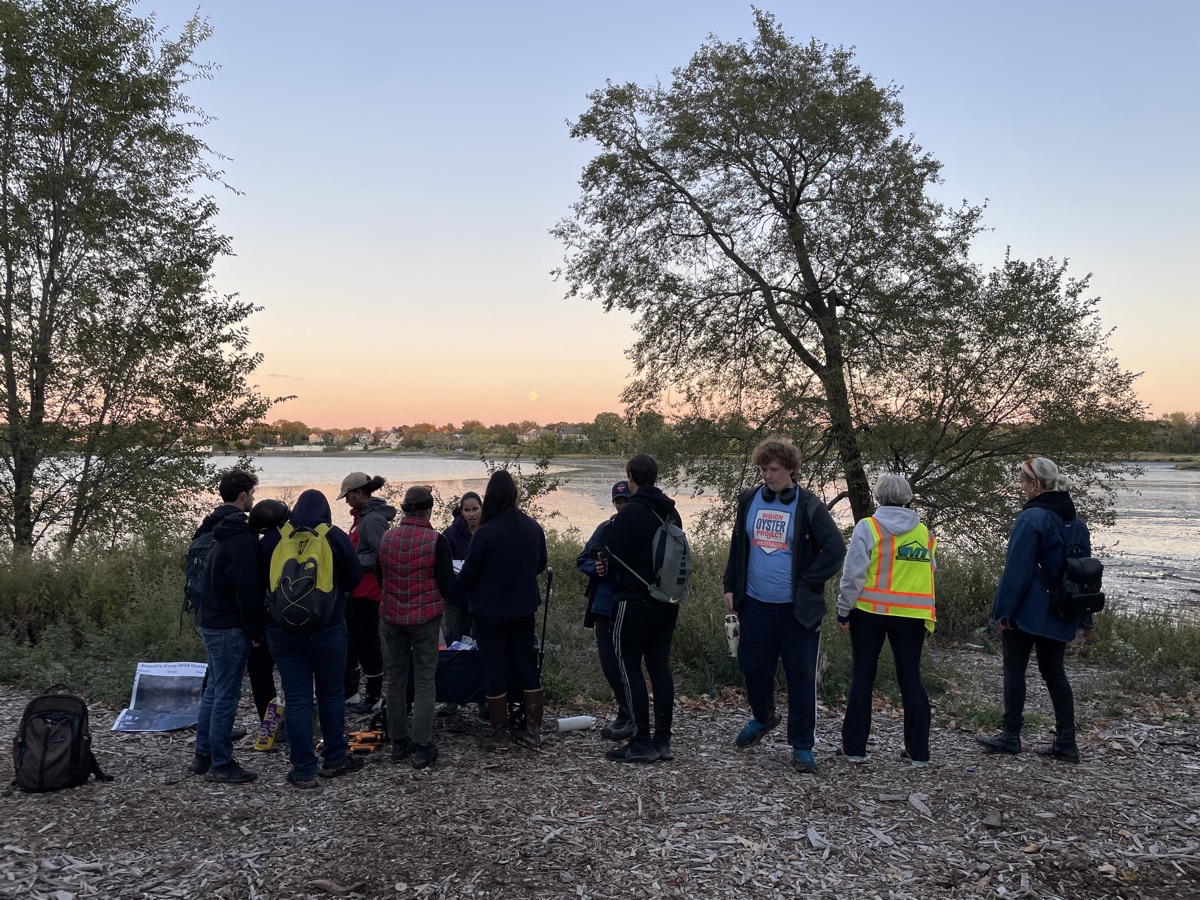
Teachers gather beside a wetland at sunset during an outdoor learning session

Teaching Outdoors

We work with teachers to move learning beyond four walls. This training focuses on how to use local environments as teaching spaces, making outdoor learning practical in a dense urban setting. The goal is to make the harbor more accessible and relatable.
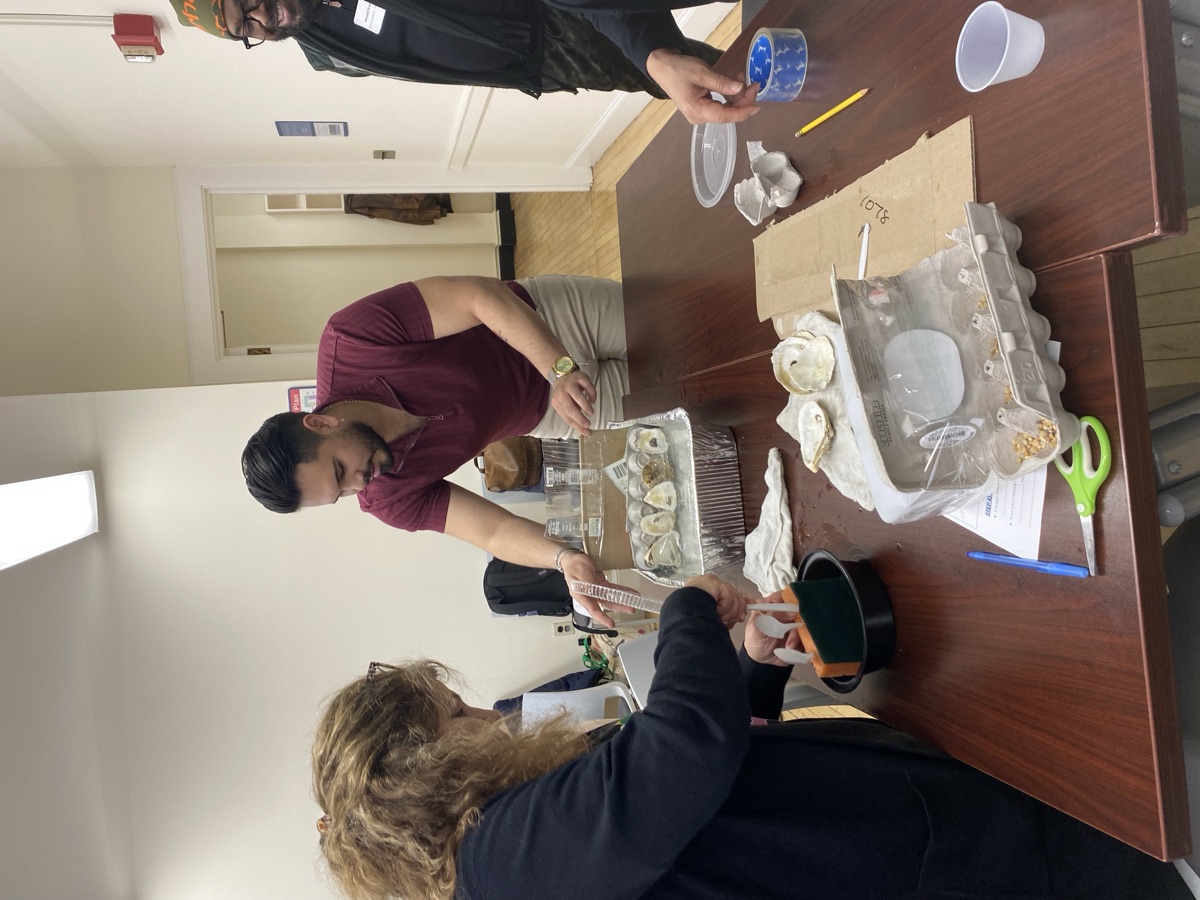
Educators assemble a hands-on oyster lesson using shells and classroom materials

curriculum Workshops

A la carte, in-person or virtual, participatory events for teachers to gain new content, support pedagogical development, and build connections with other Billion Oyster Project teachers.
No upcoming sessions scheduled
explore more →

oyster research programs

We provide teachers and students the opportunity to get hands-on with live oysters both in the Harbor and in the classroom all while contributing to our restoration efforts.
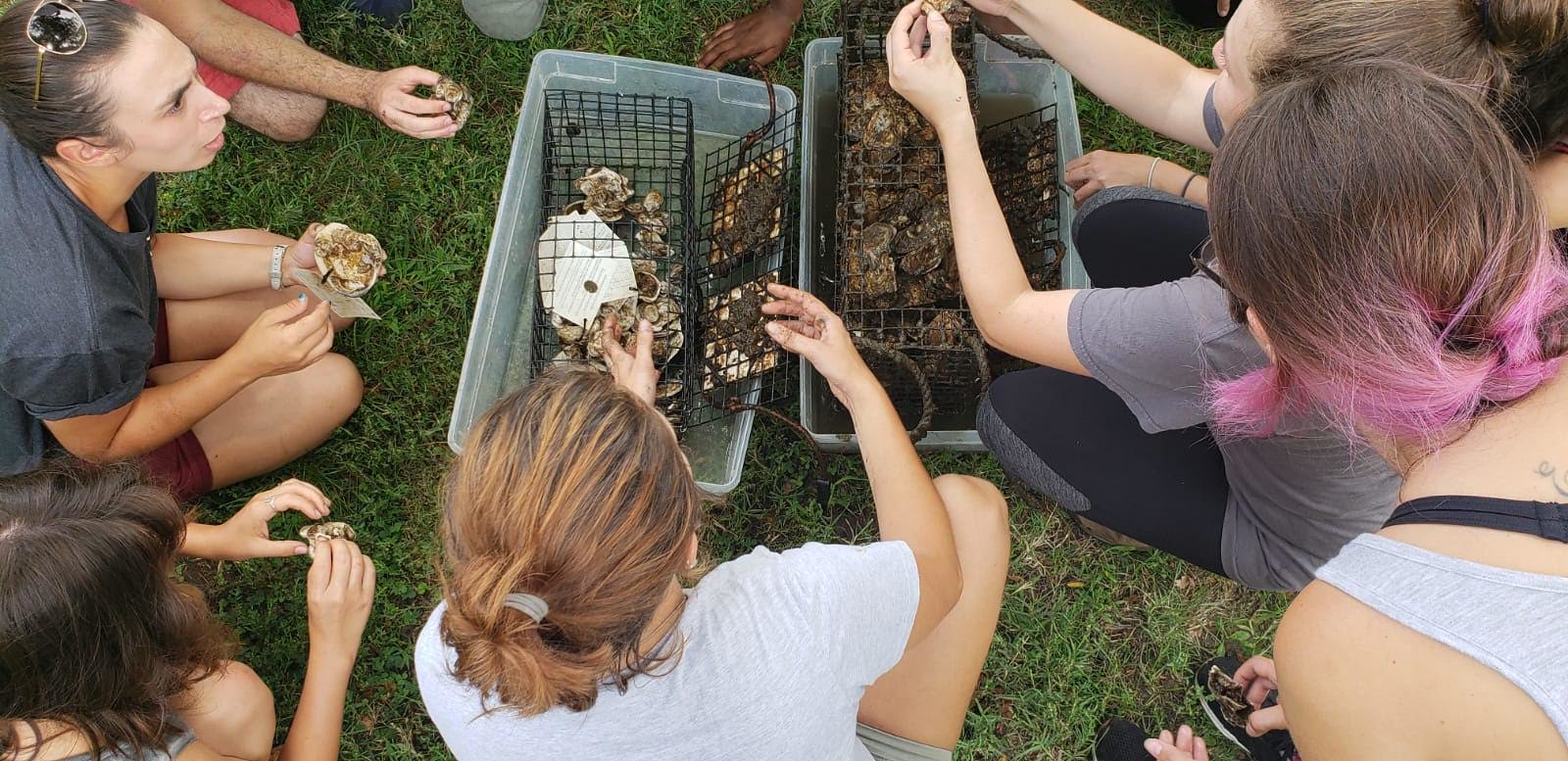
Oyster Research Station Program

An ORS is a small underwater structure installed at permitted sites across New York Harbor. Each station holds oysters and the marine life that naturally settles among them. Students and trained teachers monitor oyster growth, biodiversity, and ecosystem health, contributing data directly to our restoration efforts.
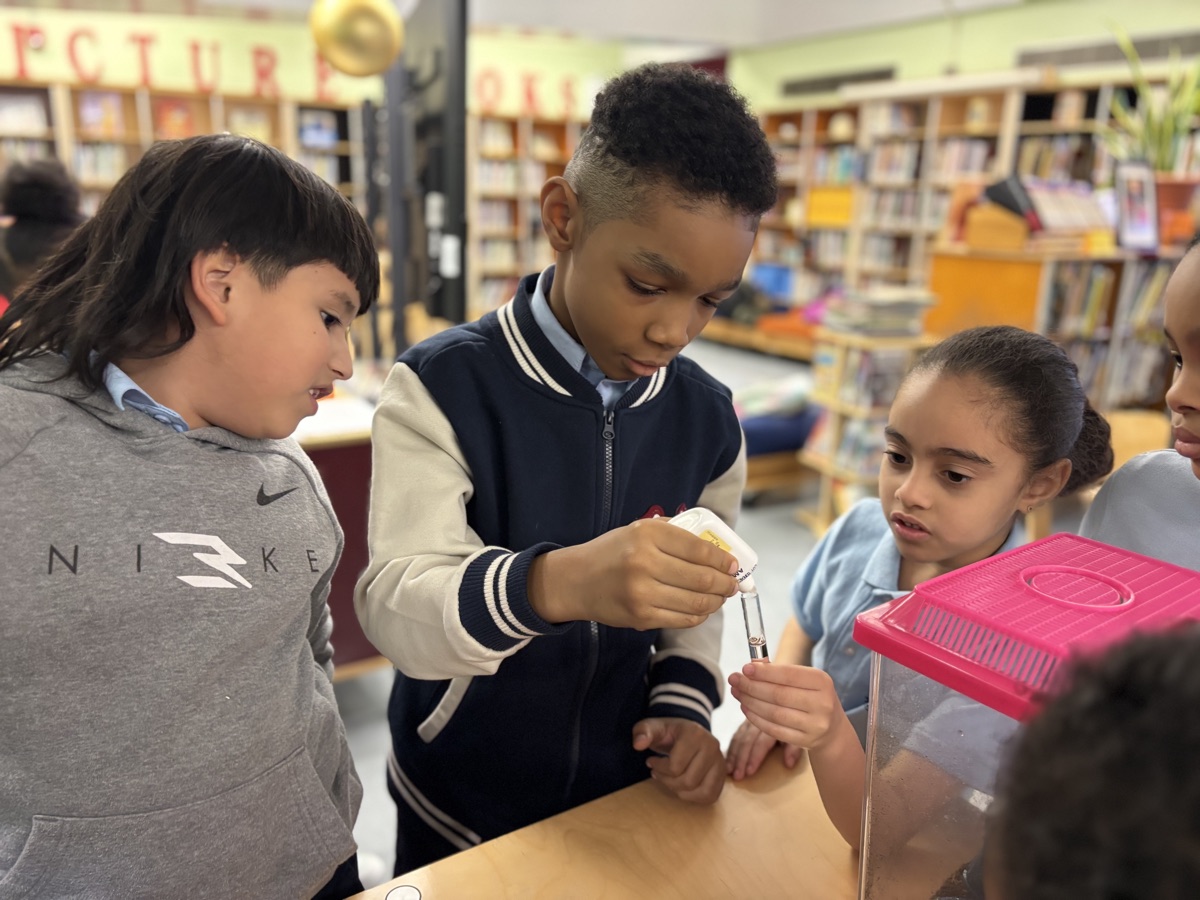
Elementary students use a dropper during a classroom oyster tank lesson

Oyster Research Tank Program

The ORT program allows teachers and students to set up and monitor a live oyster tank directly in their classroom. Students track water quality indicators such as ammonia and dissolved oxygen, study oyster growth and mortality, and conduct real scientific inquiry.

school group experiences

Hands-on experiences that connect students directly to New York Harbor.

outdoors

Days of Service

Through guided experiences along the water, students can collect data, handle real materials, and take part in active restoration work. These programs are co-planned to meet the needs of any group of students.
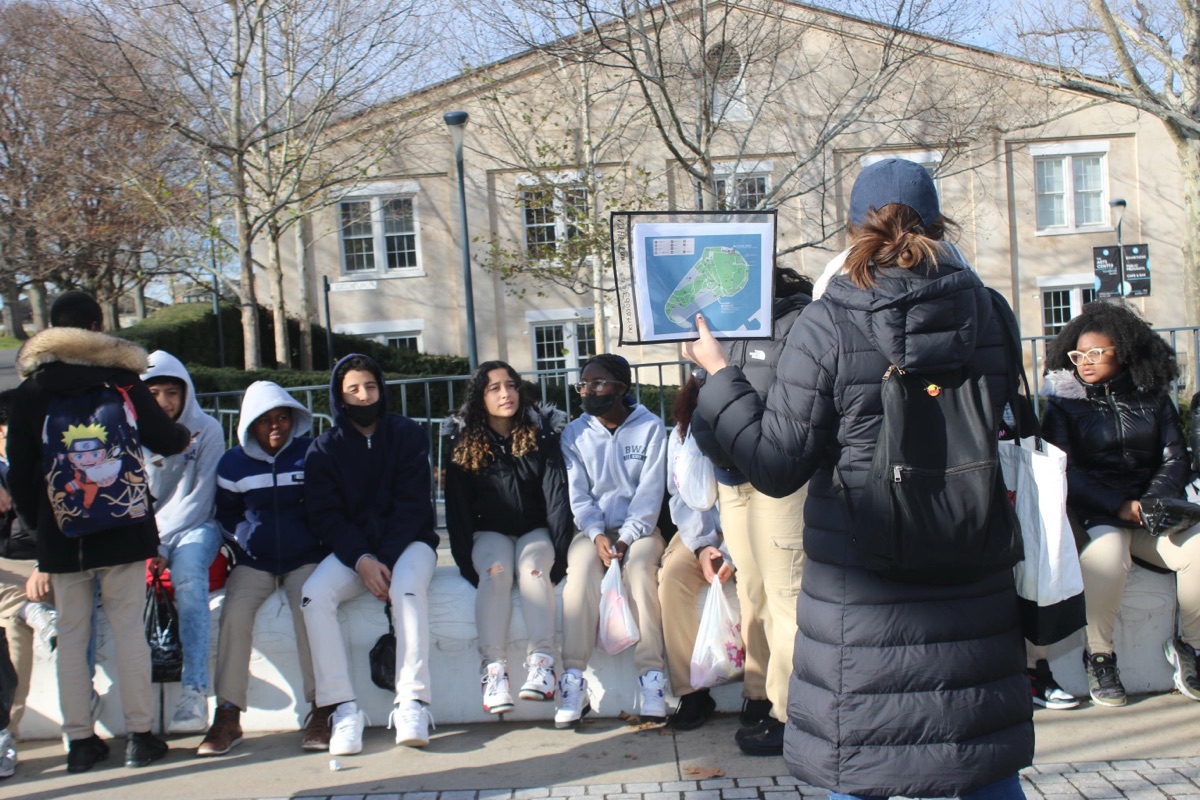
A guide holds a map of Governors Island while students gather outside New York Harbor School

indoors

New York Harbor School Tours

By visiting the high school on Governors Island, students can see how others are engaging in long-term, career-connected learning tied to marine science and waterfront industries, and learn how to apply.

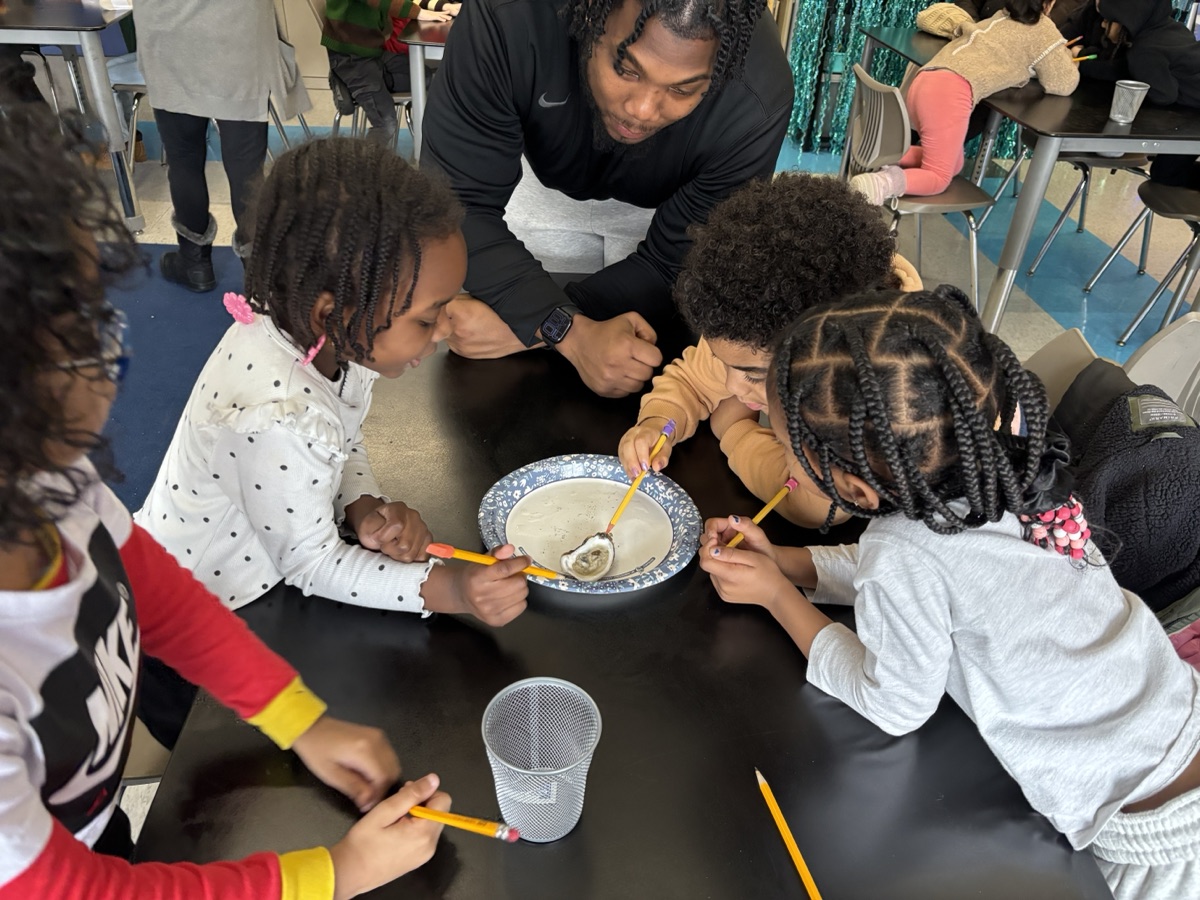
Students examine an oyster together during a classroom workshop

indoors

Classroom Workshops

Bringing the harbor into the classroom, students connect oysters to what they are learning and explore how oysters strengthen New York Harbor. These NGSS-aligned, hands-on lessons can be modified to meet the needs of any classroom.
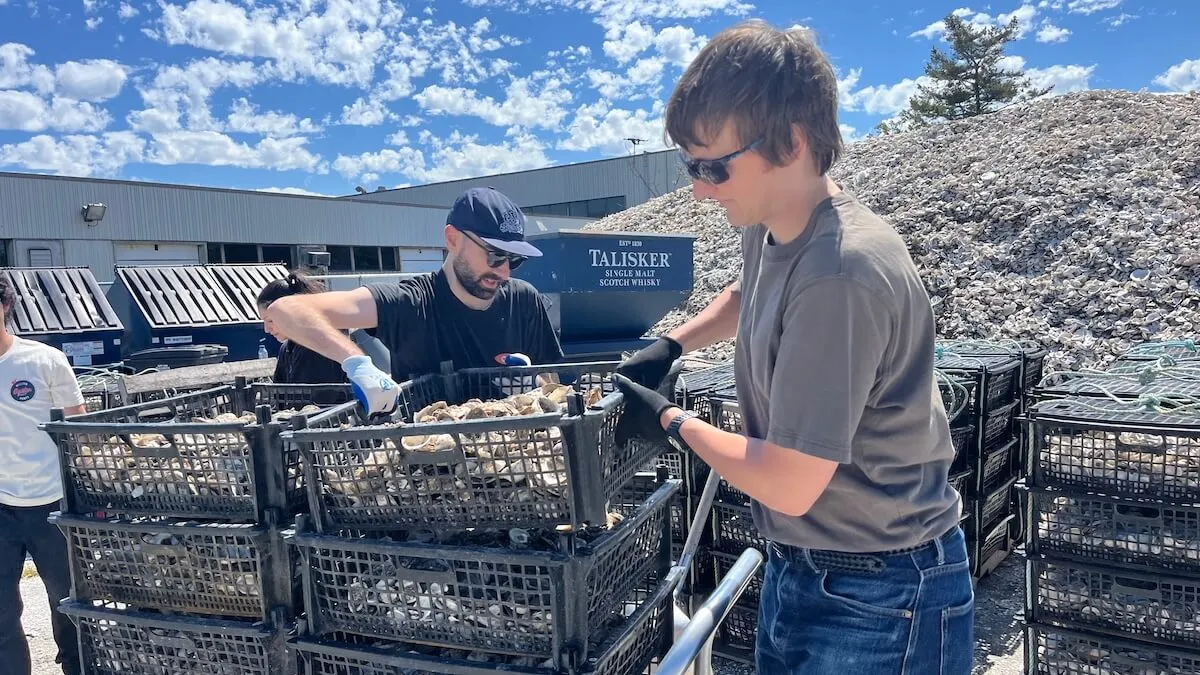
Students pose with shovels on a mound of recycled oyster shells during a field expedition

outdoors

Field Expeditions

Through guided experiences along the water, students can collect data, handle real materials, and take part in active restoration work. These programs are co-planned to meet the needs of any group of students.

outdoors

Annual Student Symposium

Each year, NYC students are invited to present projects inspired by New York Harbor, spanning scientific research, engineering, art, advocacy, and environmental justice. This is an opportunity for students to showcase their learning and reflect on how deeply they’ve engaged with their city.

Interactive museum exhibit with a cage of oyster shells that visitors can raise from a simulated harbor

outdoors

Partner Exhibits

From aquariums to museums to Governors Island, partners across the city bring the harbor into public spaces. These exhibits share the history of New York Harbor, the role oysters played, and the work BIllion Oyster Project is doing to restore it.

annual student symposium

We celebrate teachers and students and give students the opportunity to share their inquiry-based projects with our ever-growing community of supportive and enthusiastic partners.
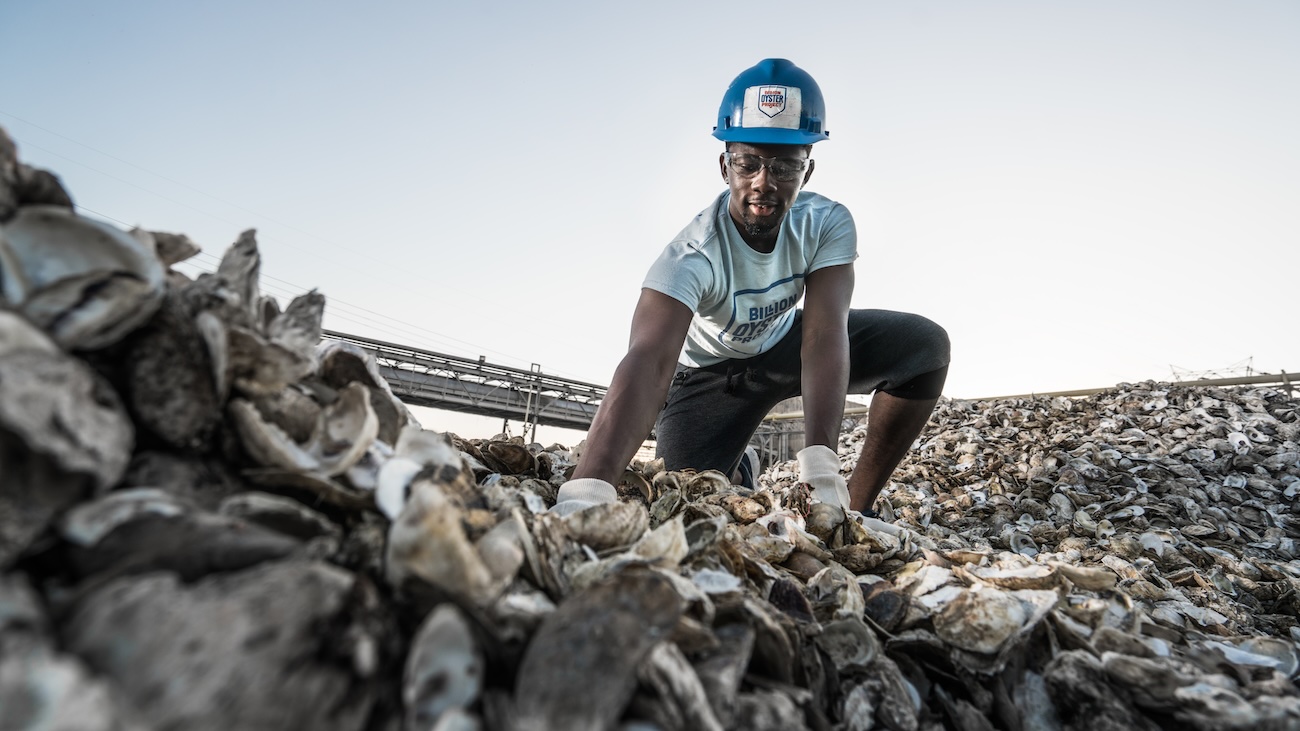
Worker in a Billion Oyster Project hard hat climbing a mountain of recycled oyster shells
+

working together since 2014

The Urban Assembly New York Harbor School on Governors Island.
We were born inside a public high school with the belief that students should actively participate in environmental stewardship.
Nestled on Governors Island in the heart of New York Harbor, The Urban Assembly New York Harbor School—Harbor School for short—offers a one-of-a-kind experience. Through its eight state and industry-certified Career and Technical Education (CTE) programs, students build real-world skills that open doors to both college and blue/green careers. Students learn about environmental and maritime work in addition to actively participating in it.

Through a close partnership with Billion Oyster Project, students gain a firsthand understanding of what it takes to restore New York Harbor’s once-thriving oyster population. Students get unparalleled access to field science, ecological data, and marine habitat restoration efforts.
LEARN MORE ABOUT HARBOR SCHOOL
workforce development

giving students technical expertise & real-world experience

Each Career and Technical Education (CTE) program at Harbor School is directly connected to the Harbor and the industries that surround it.
Two scuba divers inspecting a cage of mature oysters underwater
Aquaculture
Students learn how to grow and manage aquatic species, with a focus on oyster cultivation and restoration. This includes hatchery work, water quality monitoring, and maintaining reef systems across the harbor.
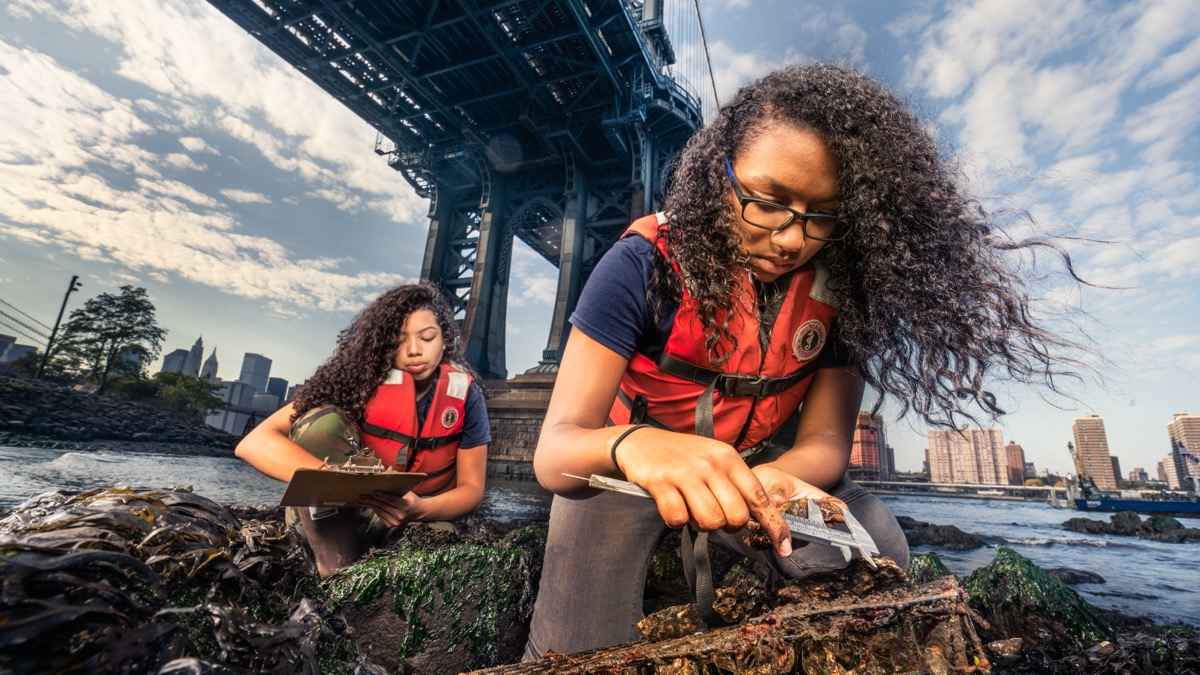
Students in life vests measuring oysters with calipers beneath the Manhattan Bridge
Marine Biology Research
Focused on field science and data collection, students study marine ecosystems through their own, hands-on research. They conduct experiments, track biodiversity, and contribute to ongoing scientific understanding of New York Harbor.
Two smiling students in life vests reviewing data on a laptop aboard a boat, one holding an Earth globe
Marine Affairs
 Students explore the intersection of science, policy, and community impact. They learn how environmental decisions are made, engage in advocacy work, and develop the skills to communicate and influence change.
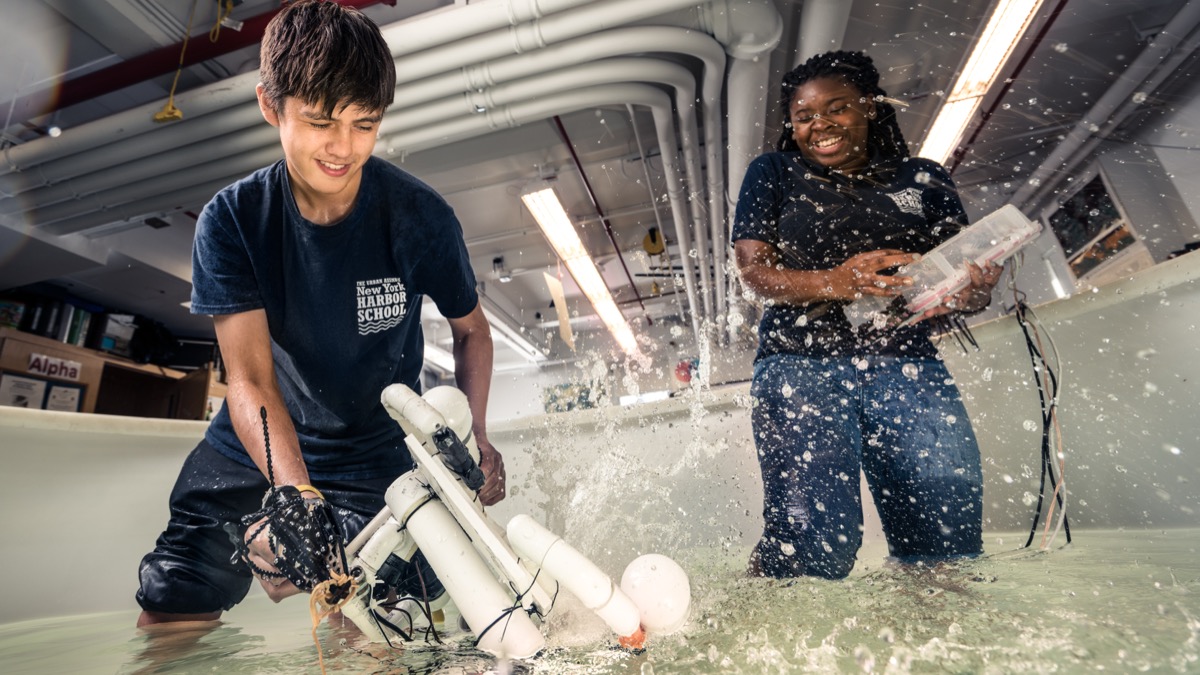
Harbor School students testing an underwater robot in an indoor tank
Ocean Engineering
This program centers on designing and building tools for marine environments. Students work on projects like underwater robotics, fabrication, and engineering solutions that support research and restoration.
Student in a life vest emptying a mucky oyster cage into a bin at the waterfront
Professional Diving
Students train in scientific and commercial diving, gaining certifications and unique experiences working underwater with professional divers. They support reef installations, data collection, and maintenance below the surface.
Harbor School students in life vests aboard training vessels in New York Harbor
Vessel Operations
Focused on maritime navigation and seamanship, students learn to operate boats safely and effectively. This includes piloting vessels used for research, restoration, and transportation across the harbor.
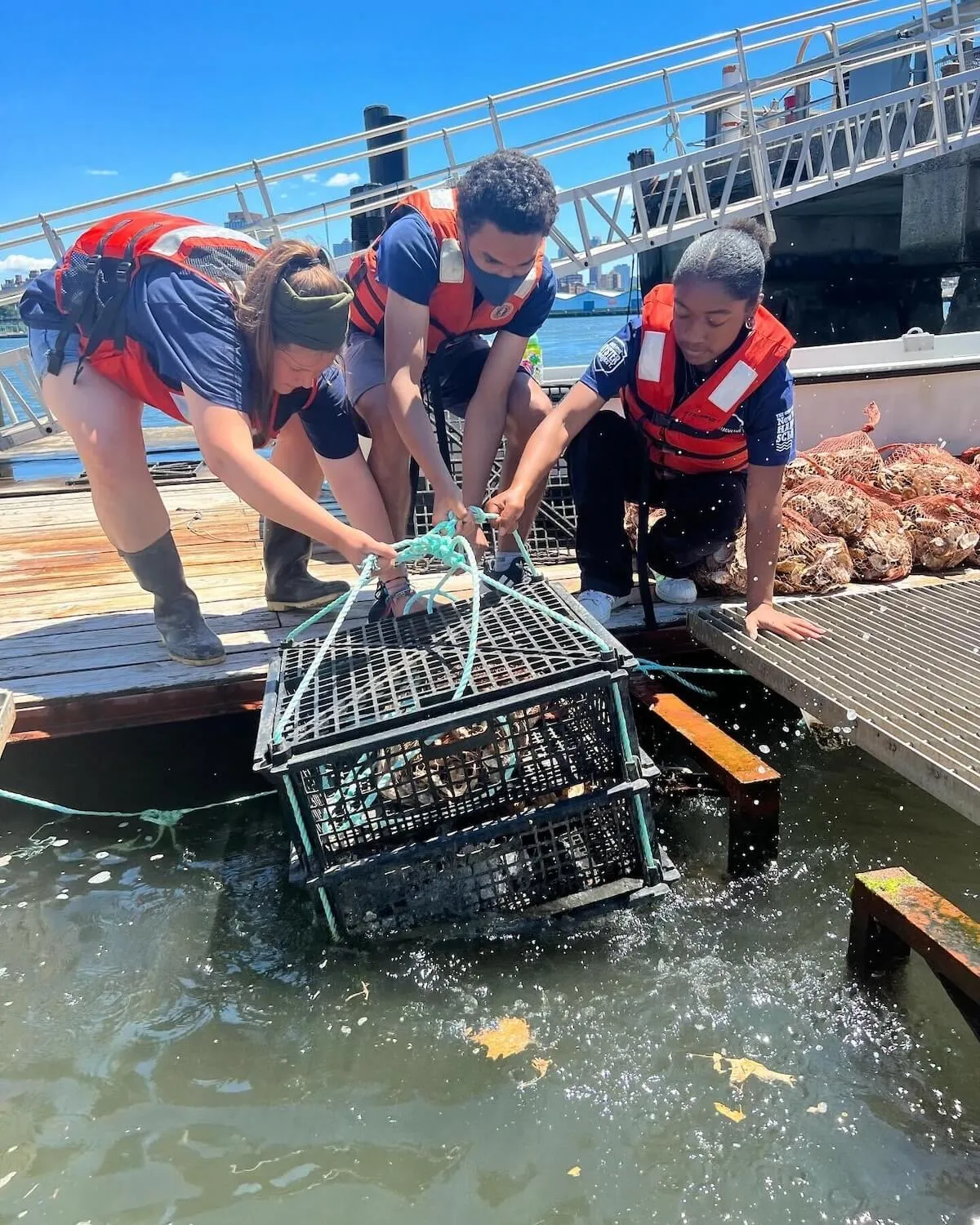
Crew in life vests tending floating oyster cages from a small workboat
Marine Systems Technology
Students develop skills in maintaining and repairing marine engines and onboard systems. This program prepares them for technical careers that keep maritime operations running.
Welding & Fabrication
A highly technical, hands-on trade program where students learn metal fabrication and structural welding. These skills are applied to building and maintaining the infrastructure used in harbor restoration and maritime work.
This material is based upon work supported by the National Science Foundation under Grant Number NSF EHR DRL 1440869/1759006/1839656, PI Lauren Birney. Any opinions, findings, and conclusions or recommendations expressed in this material are those of the author(s) and do not necessarily reflect the views of the National Science Foundation.