

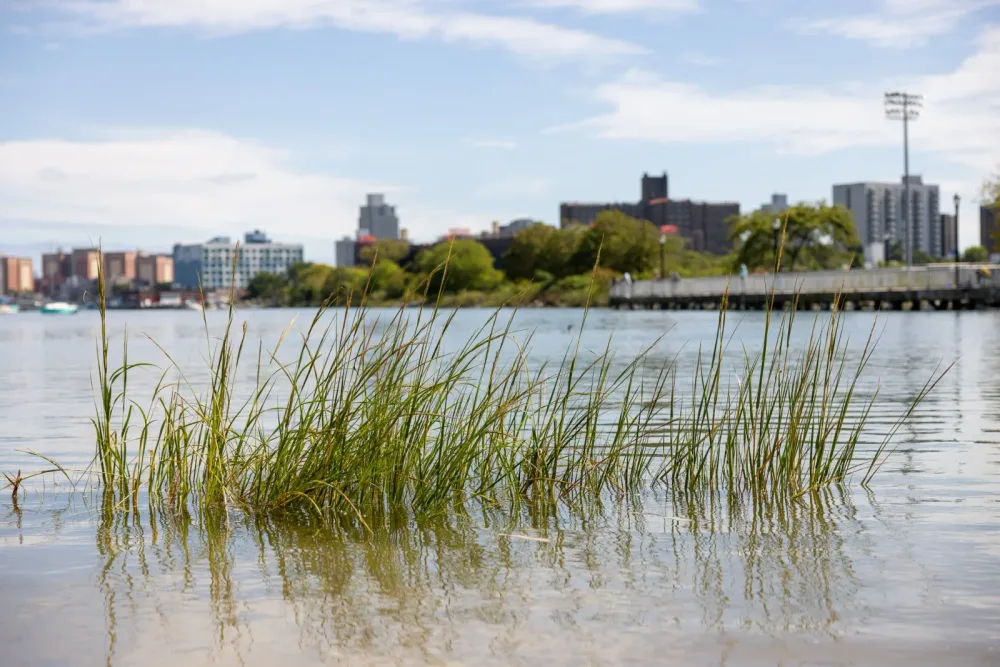

This World Oceans Day, dive into the science of estuaries—the most productive ecosystems in the world, the heartbeat of our oceans, and the very ecosystem we're working to restore right here in New York City.
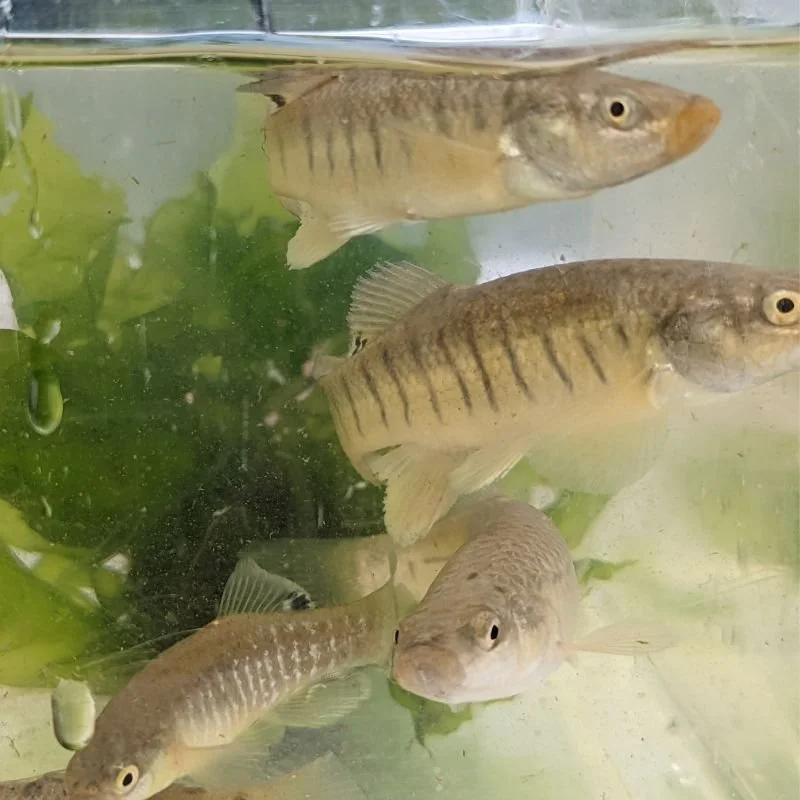
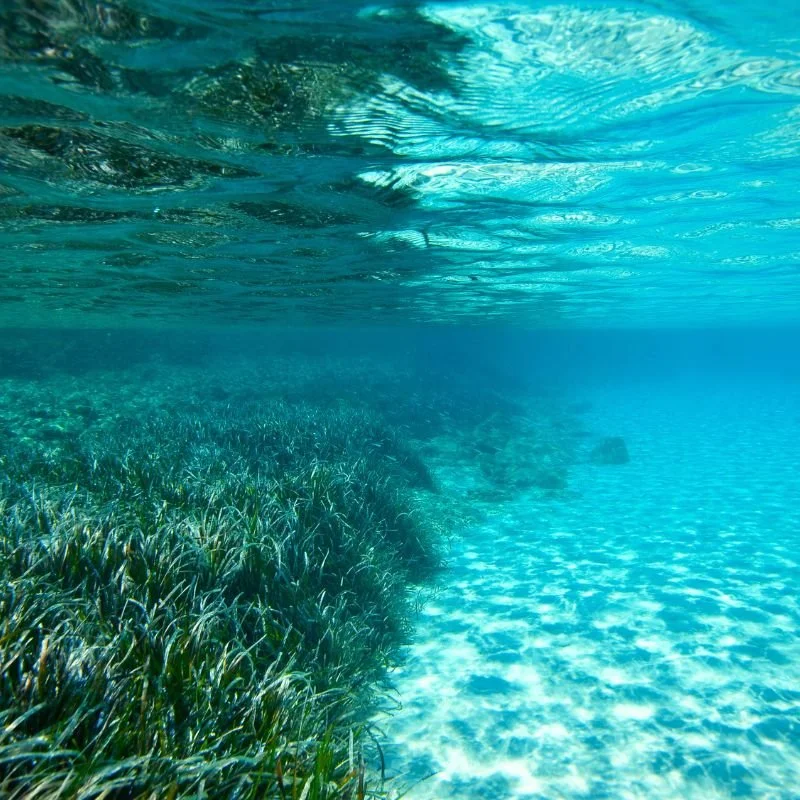
What is an Estuary? Estuaries are dynamic ecosystems where freshwater from rivers blends with saltwater from the ocean. Habitats like salt marshes, mangroves, seagrass beds, mudflats, river deltas, and lagoons characterize estuaries around the globe.
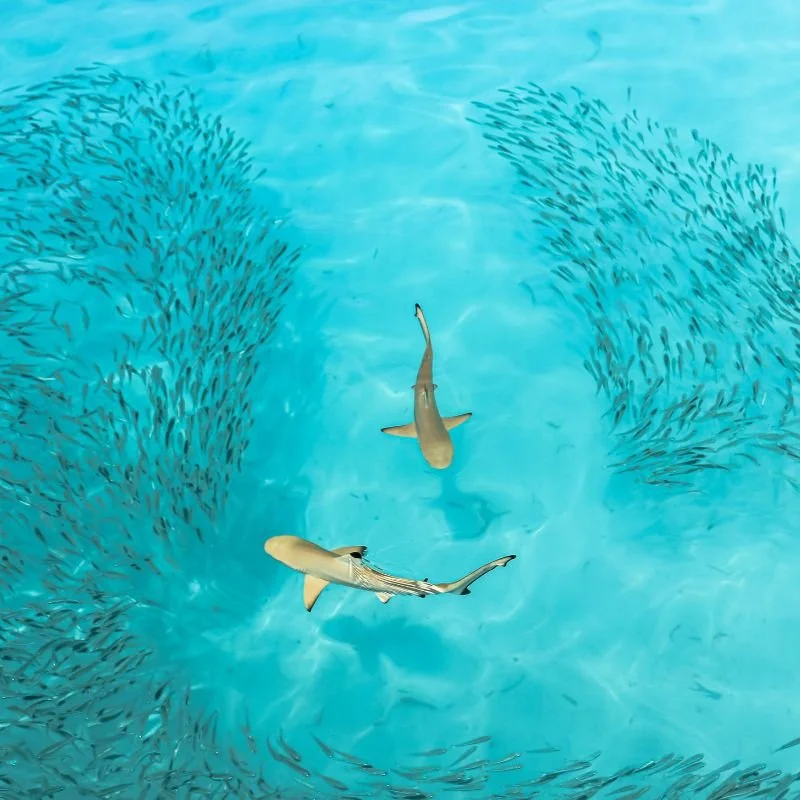
Unlike the vast open ocean, estuaries are shallow, nutrient-rich zones that trap and concentrate resources. While the open ocean has abundant space but fewer nutrients, estuaries offer concentrated nutrients, abundant sunlight, and sheltered conditions that support rapid growth and high biodiversity.
These vibrant, productivity hotspots are essential for maintaining the overall health and diversity of our oceans. Here's how they do it.
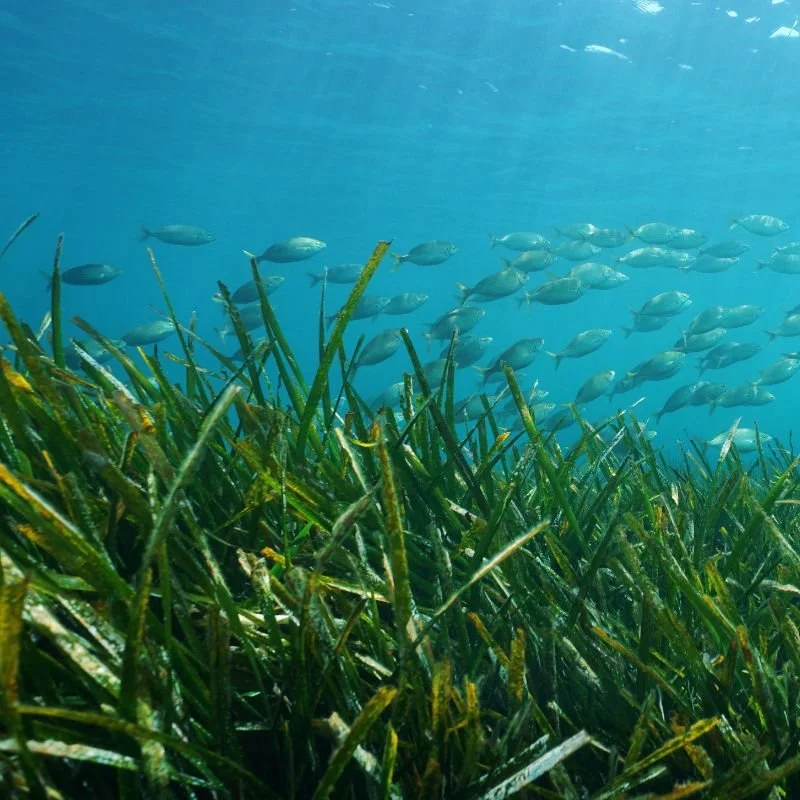
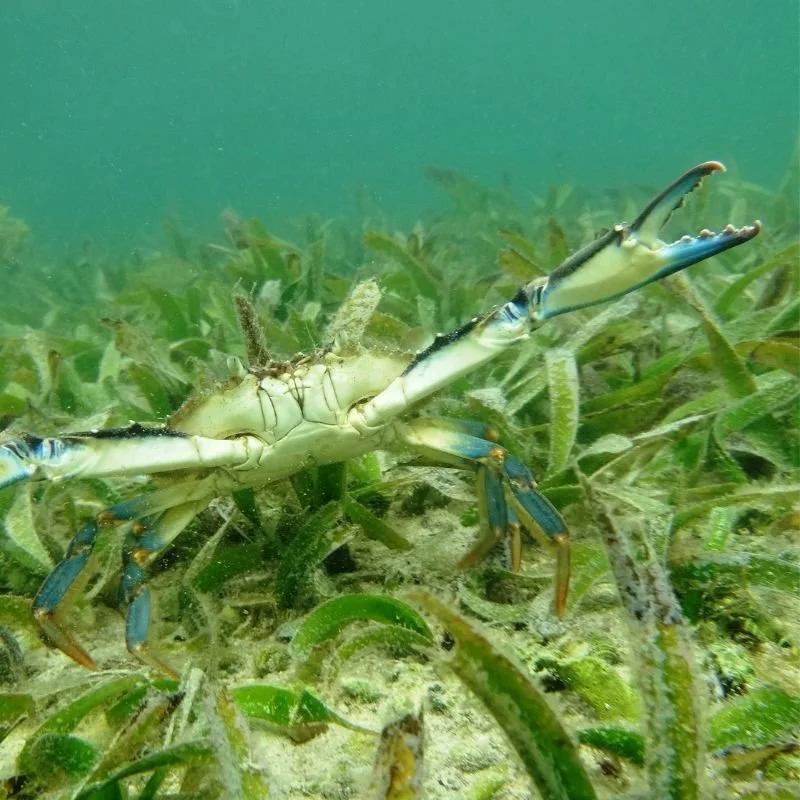
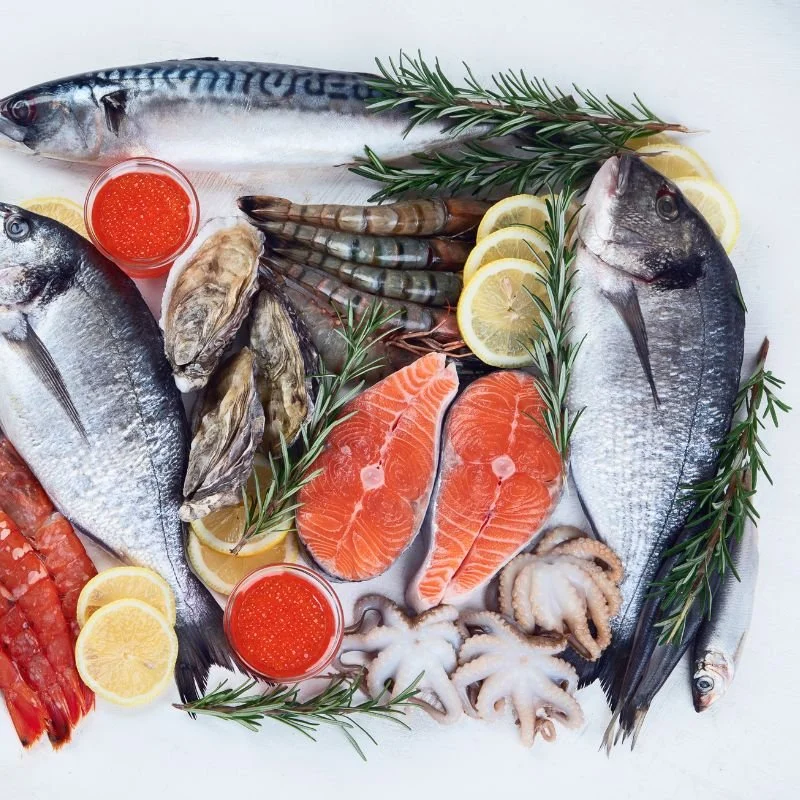
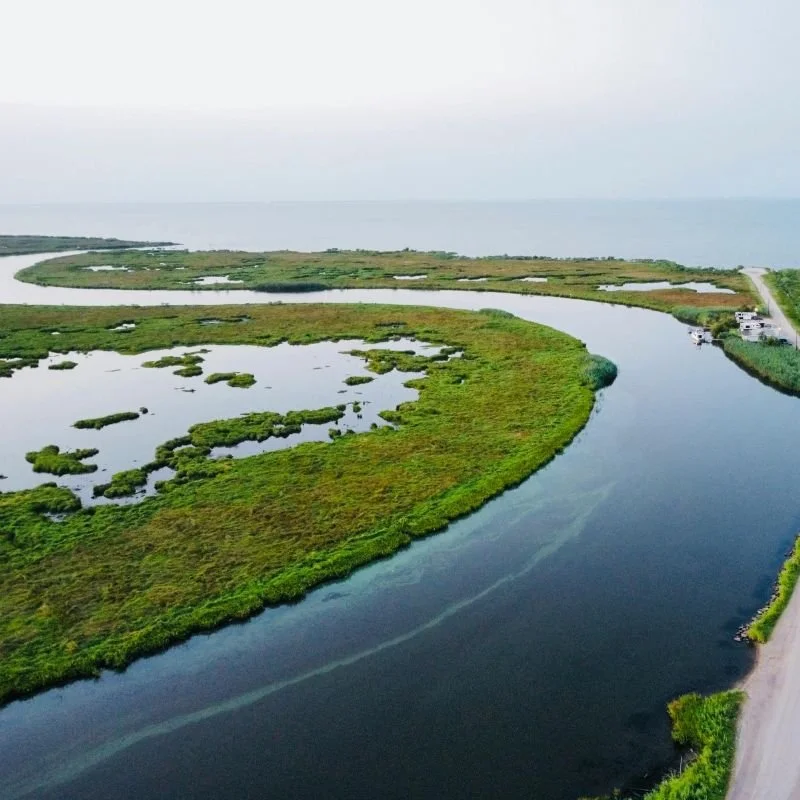
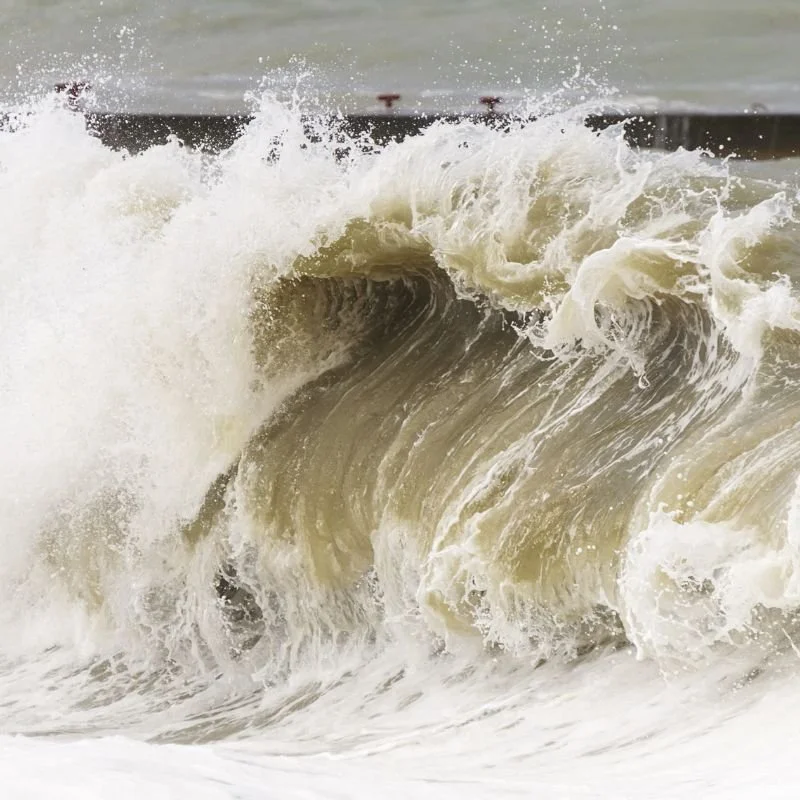
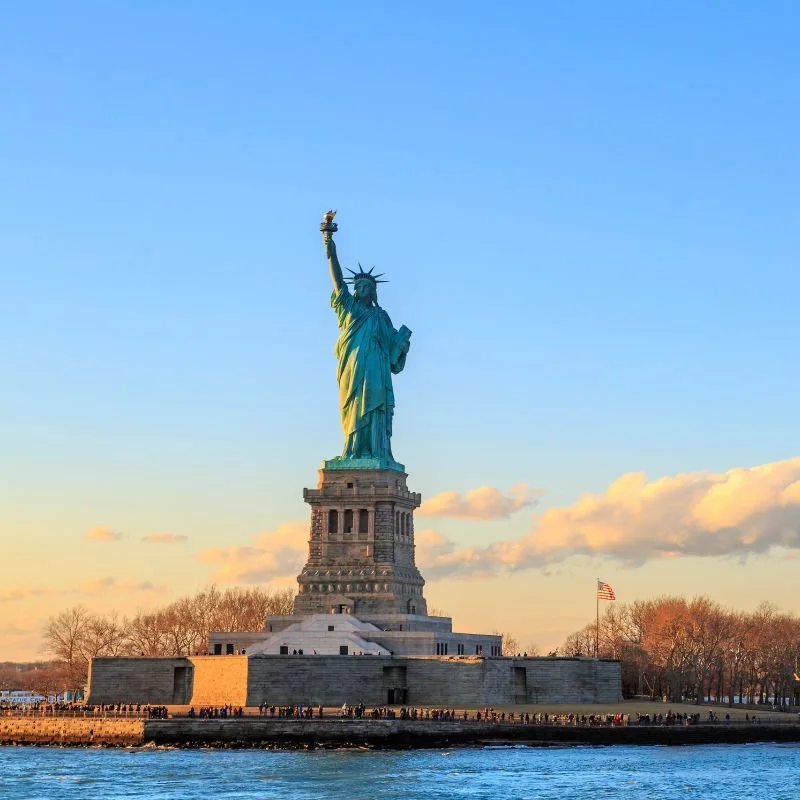
And they are disappearing. Over the past two centuries, we've overharvested, landfilled, and/or paved over nearly two-thirds of the world's estuary habitat. Before industrialization, global salt marshes covered approximately 100,000 square miles—roughly the size of Bangladesh. Today, less than 35,000 square miles remain.
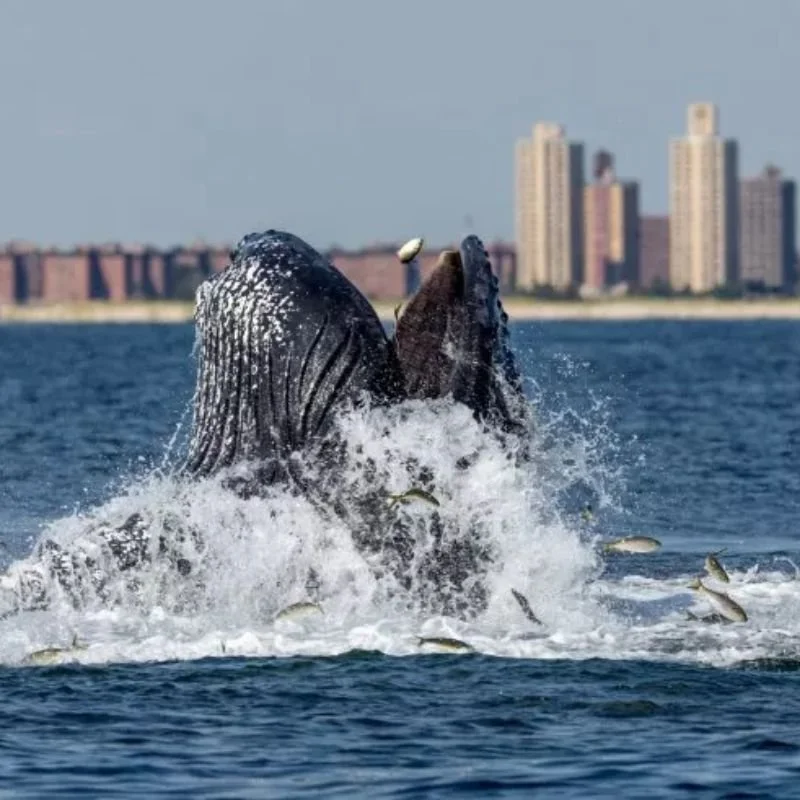
Our home, New York City, highlights this stark reality. Once boasting one of the world's most productive estuaries, today only about 2% of New York Harbor's original estuarine habitat remains. At the Billion Oyster Project, we're actively working to reverse this trend—restoring the NY/NJ Harbor Estuary's oyster reef habitat–our ecosystems original engineers–and involve New Yorkers in the process.
This World Oceans Day, we want every city dweller to know you have a direct impact on your oceans. By supporting our work at Billion Oyster Project, or volunteering with your city's waterfront restoration initiatives, your small actions ripple outward to the open ocean.
Want to learn more about cities restoring ocean health?
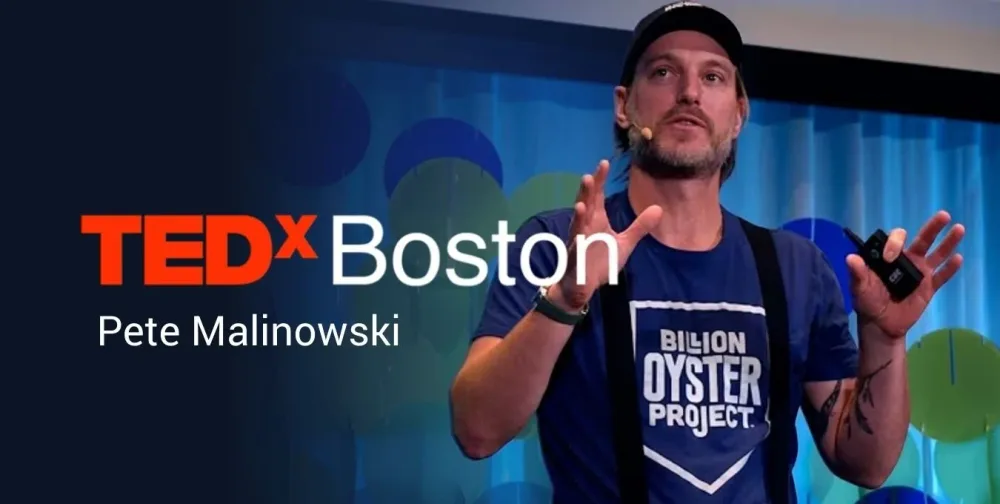
Don't miss Pete Malinowski, our Executive Director, on the TEDxBoston stage for his recent talk, "Can oysters turn New York City waterways back into thriving habitats?"
Sources: American Geophysical Union, Encyclopedia of Puget Sound, NOAA Fisheries, Peconic Estuary Partnership, USDA Forest Service, Frontiers in Marine Science.
