



Overview
Core Practices
What Students Do
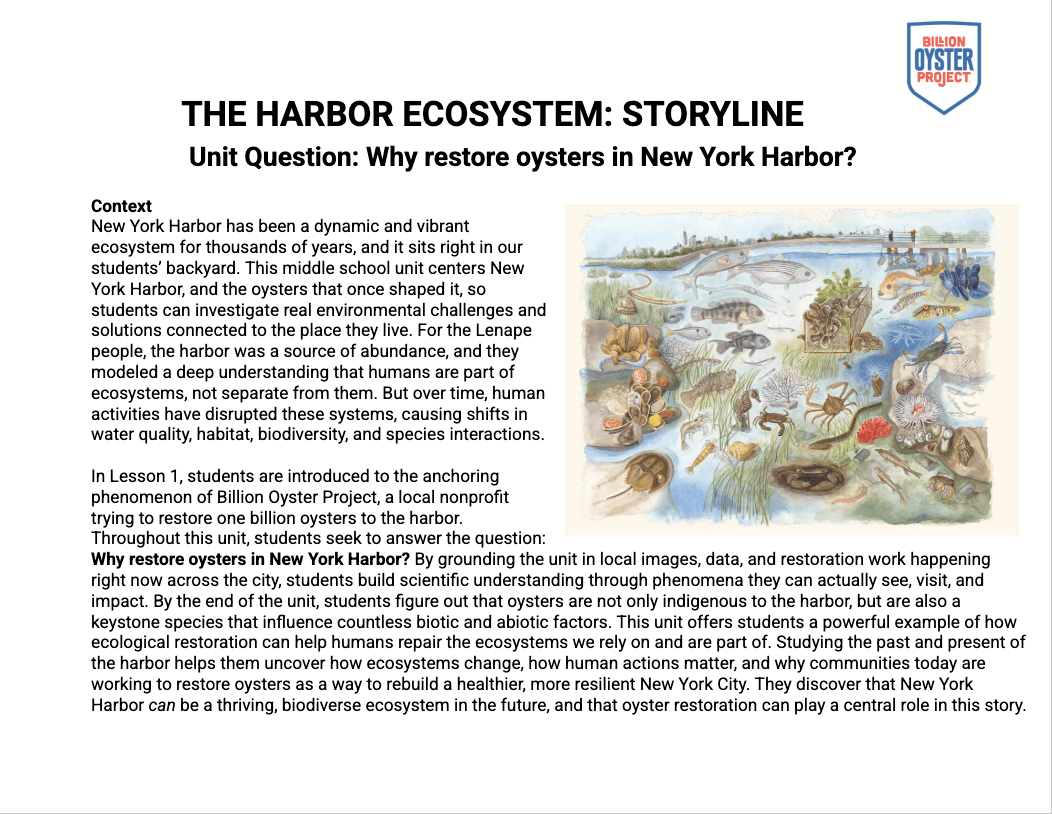
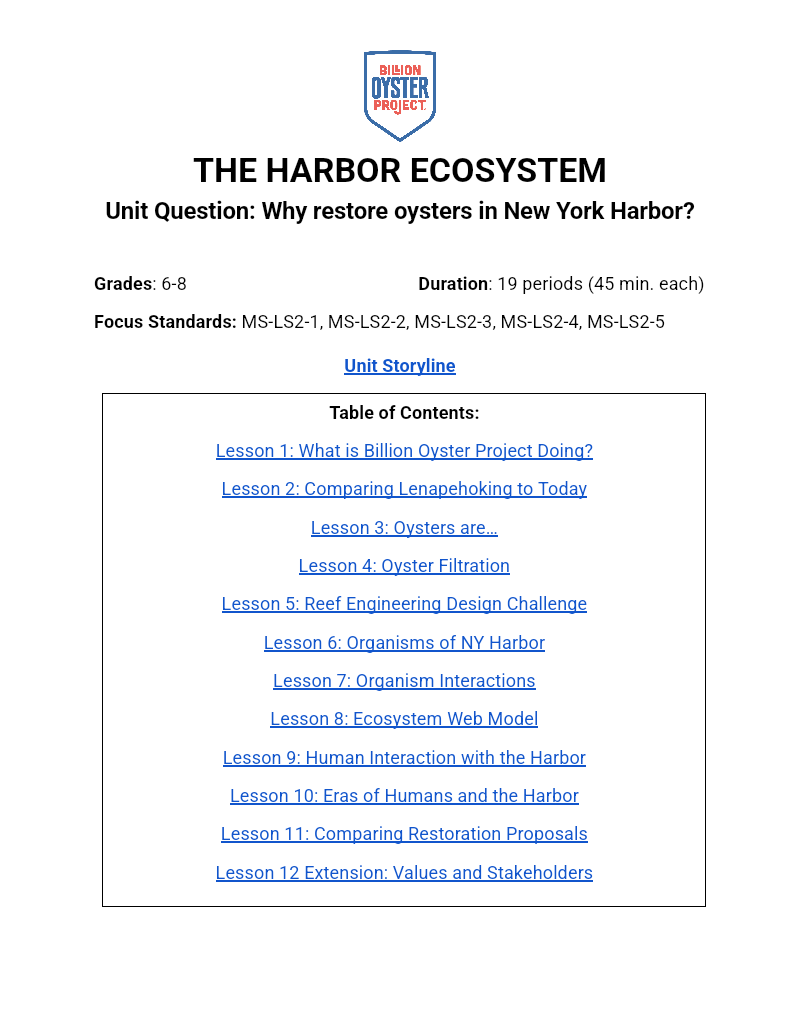
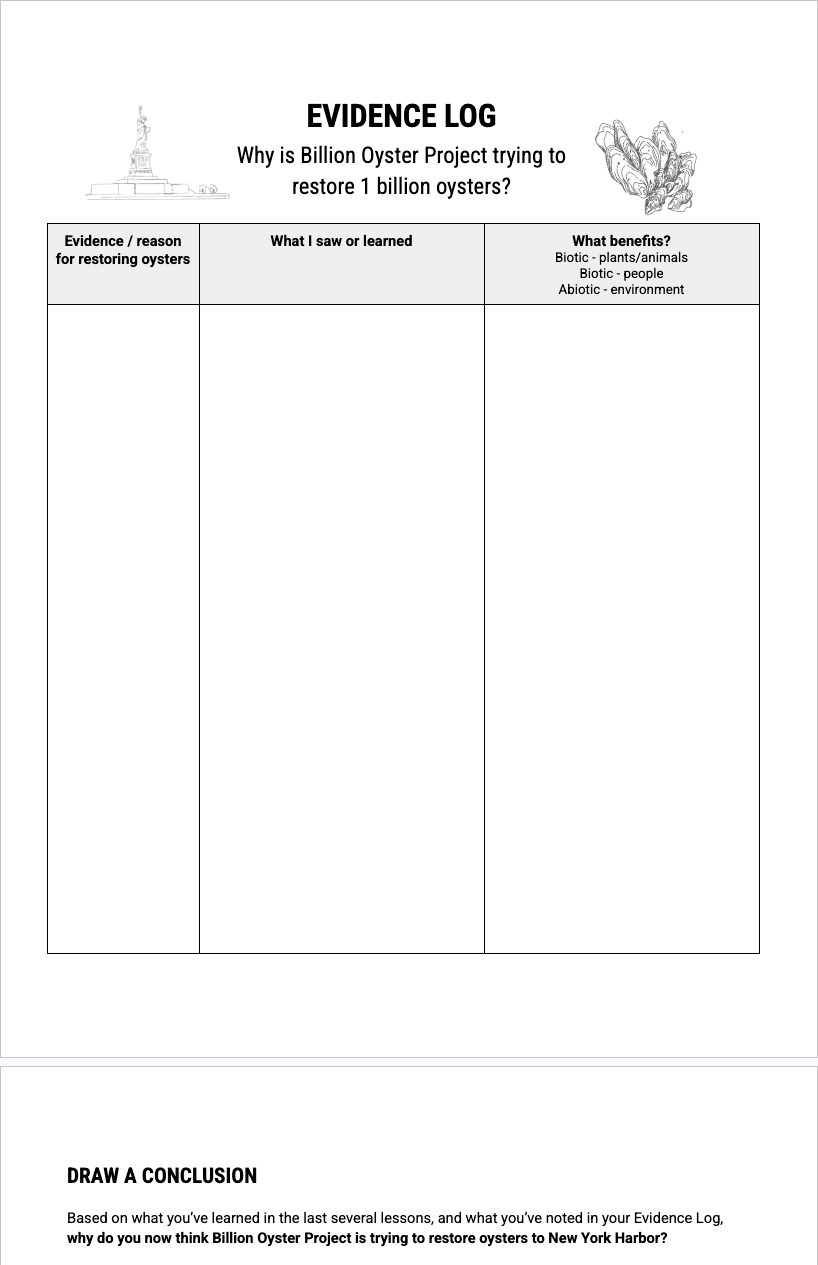
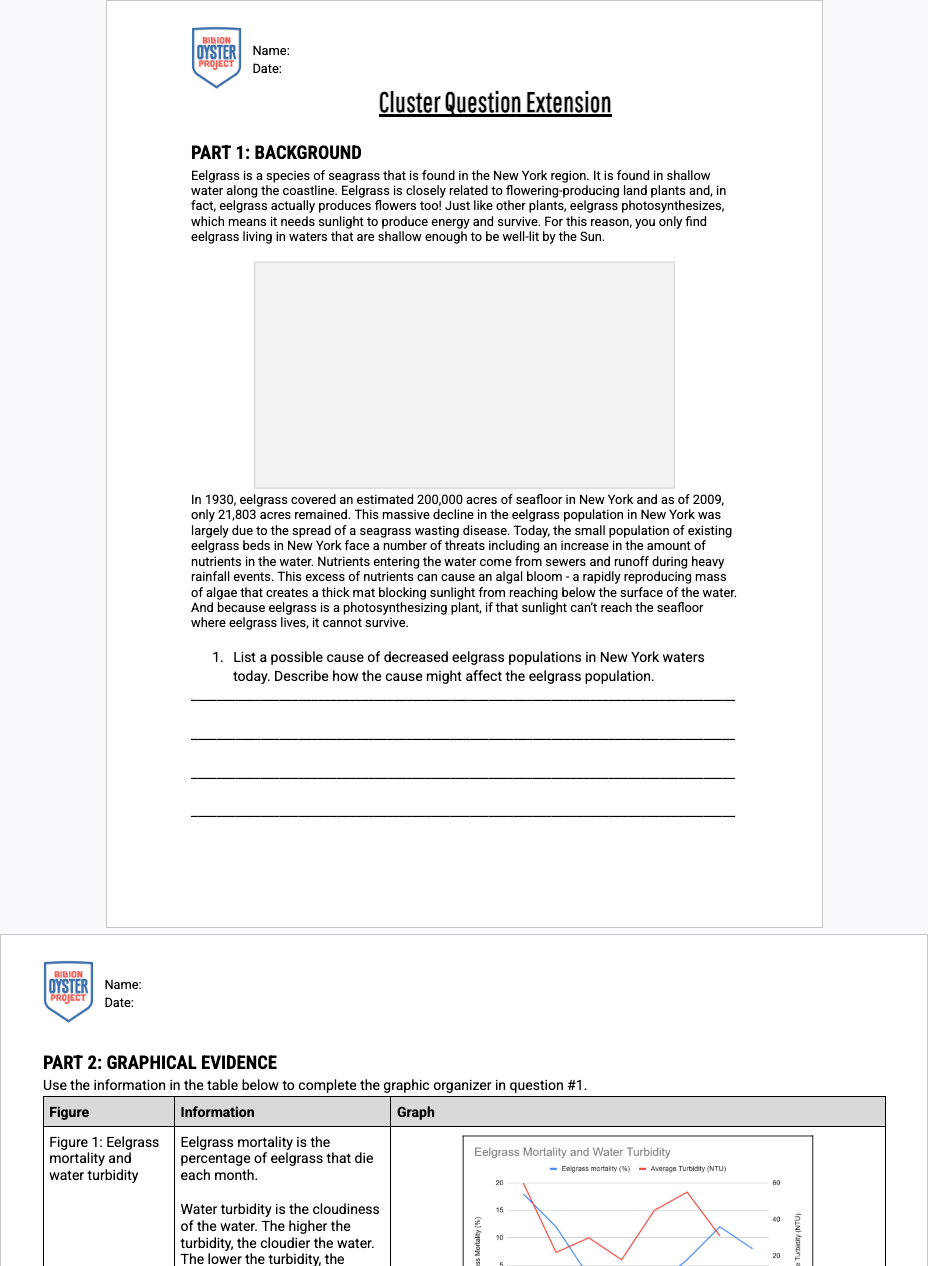
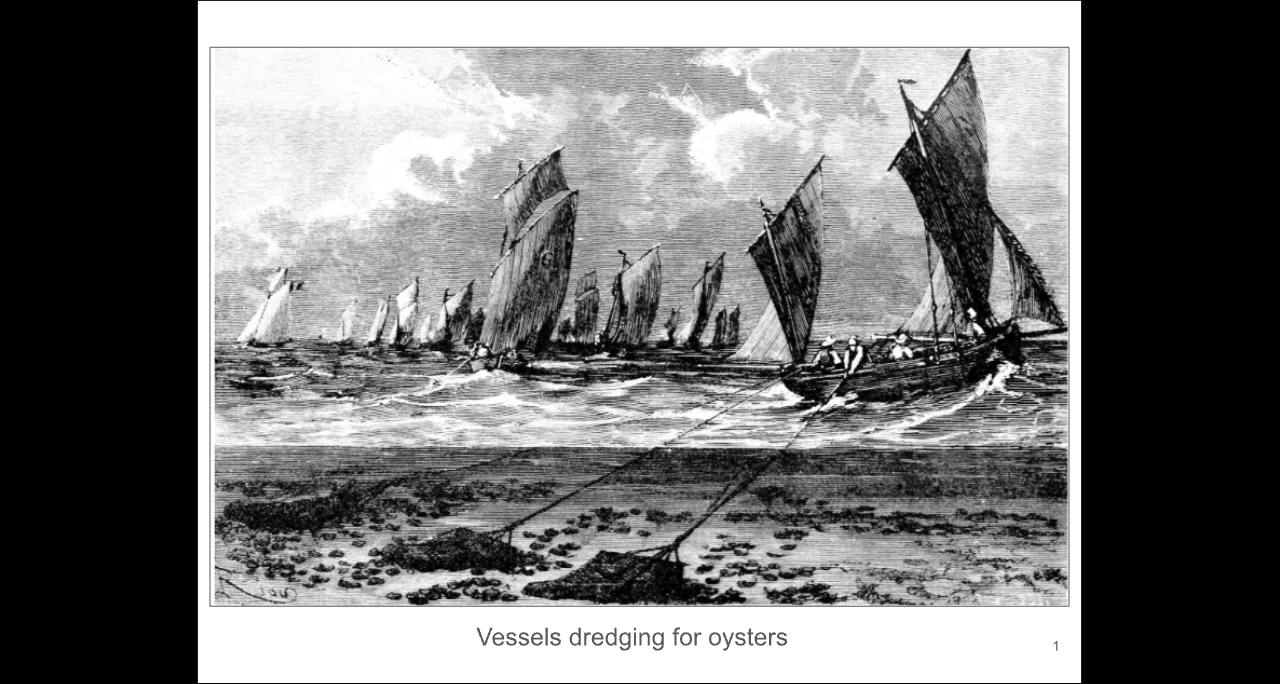
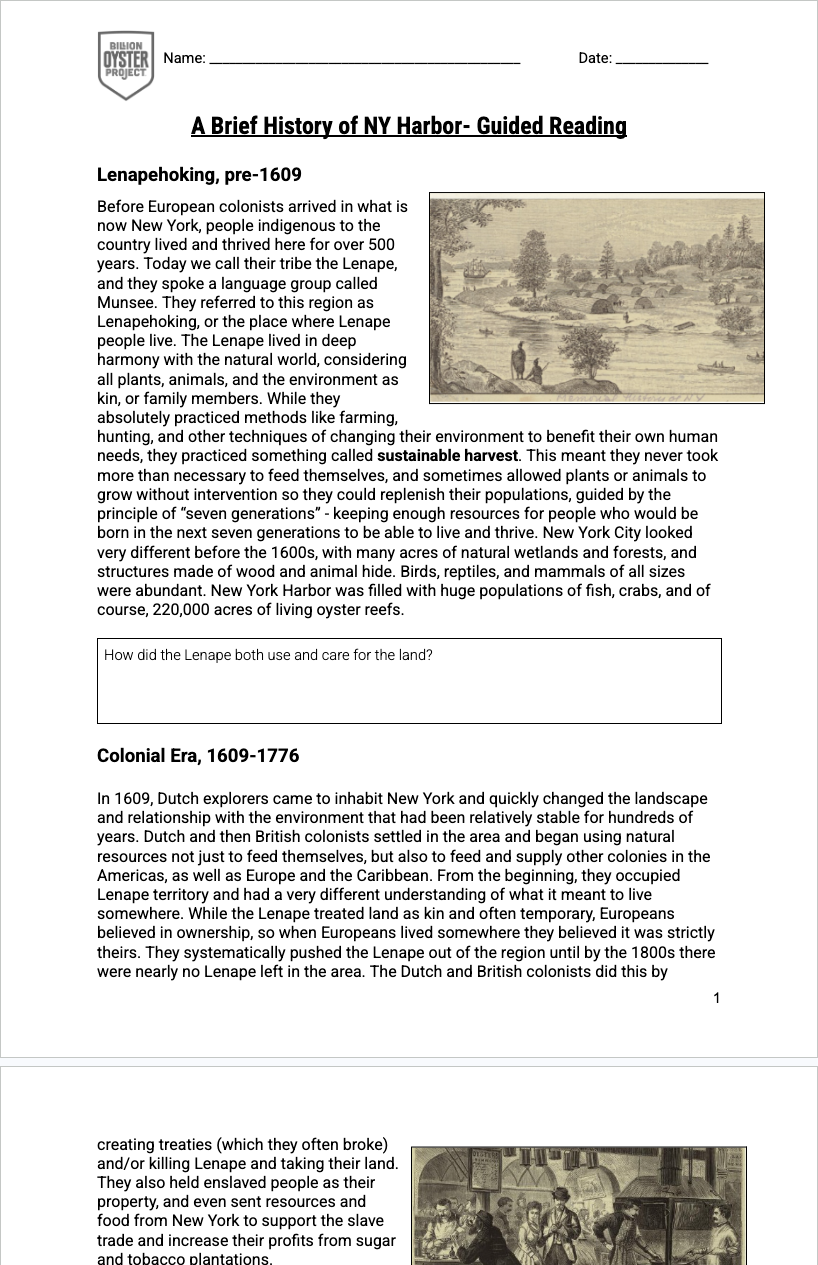
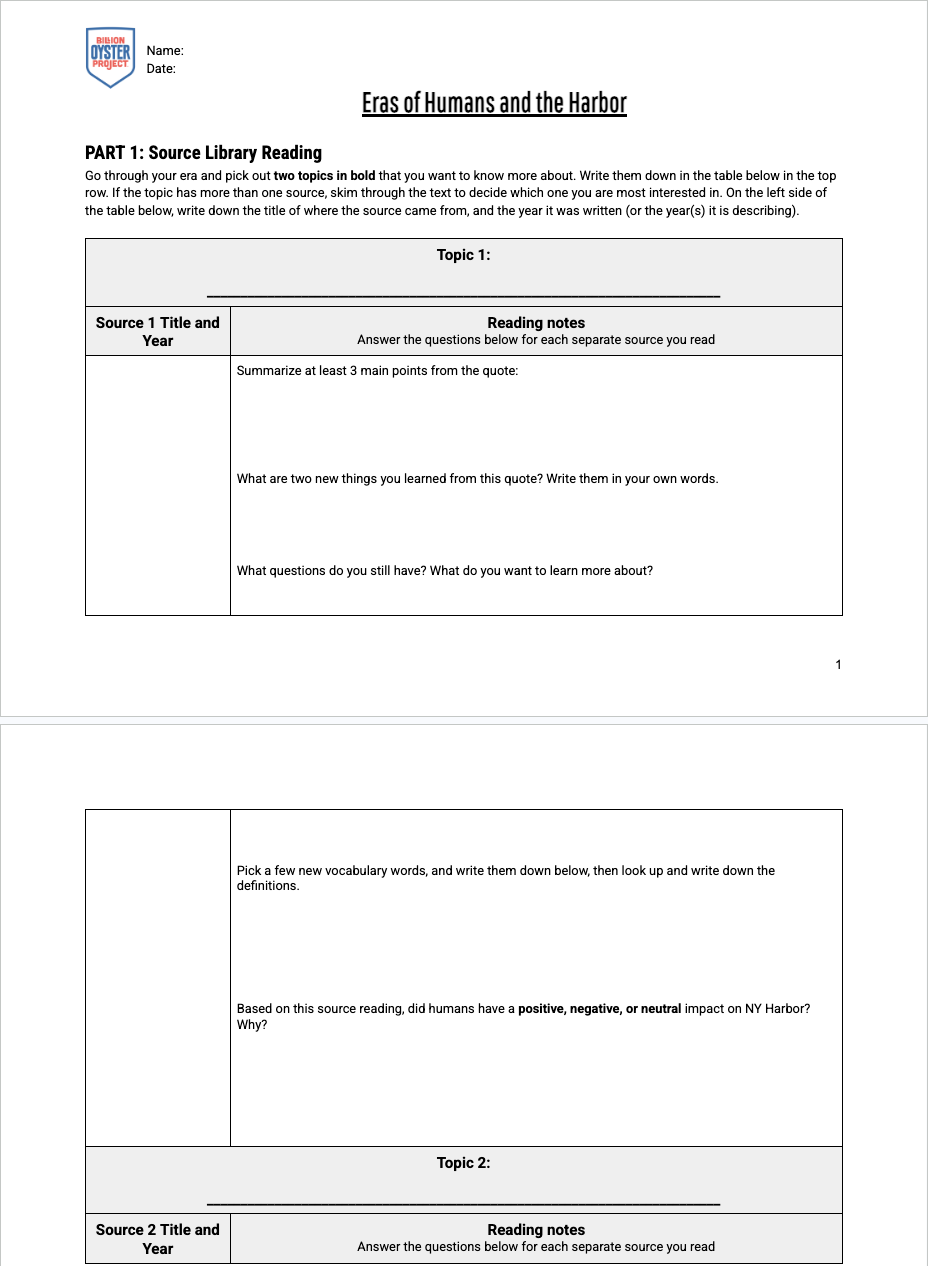
Across 12 lessons grounded in the question “Why restore oysters in New York Harbor?”, students figure out what BOP is doing and why. They model the harbor’s food web, design wave-attenuating structures, analyze oyster filtration data, trace 400 years of harbor history through stakeholder lenses, and conclude by comparing two restoration proposals to make a values-informed recommendation.
Pacing & Logistics
Pacing: 19 class periods (45 min each), aligned to MS-LS2-1, MS-LS2-2, MS-LS2-3, MS-LS2-4, and MS-LS2-5.
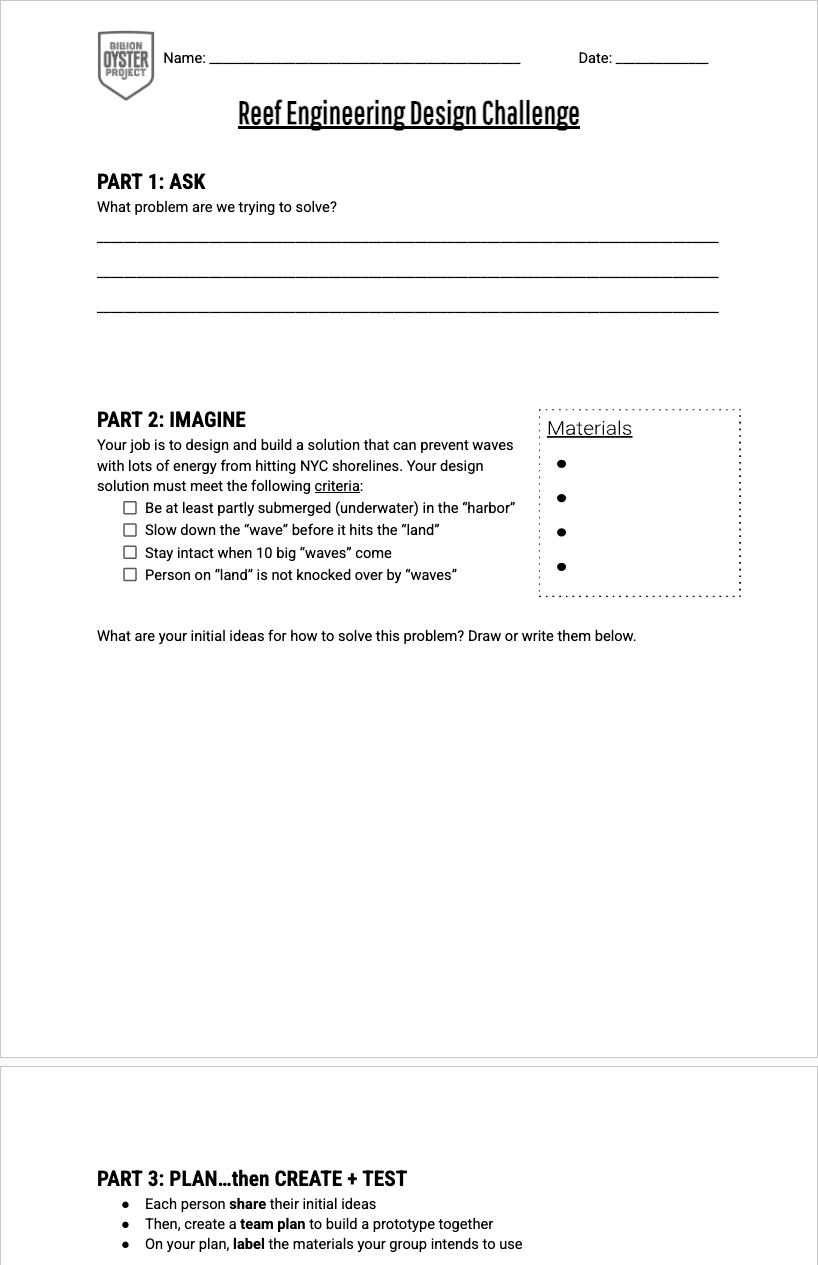
Logistics: Maintain a Class Question Pool (poster paper or whiteboard section) throughout the unit—students return to it repeatedly. Use the unit’s master Slides deck for all 12 lessons. The Reef Engineering Design Challenge (L5) requires basic engineering supplies; the rest is reading, modeling, and discussion. No field trips.
Learning Standards
Materials
LESSONS
4
chapters
New York Harbor Past and Present

Lesson
:
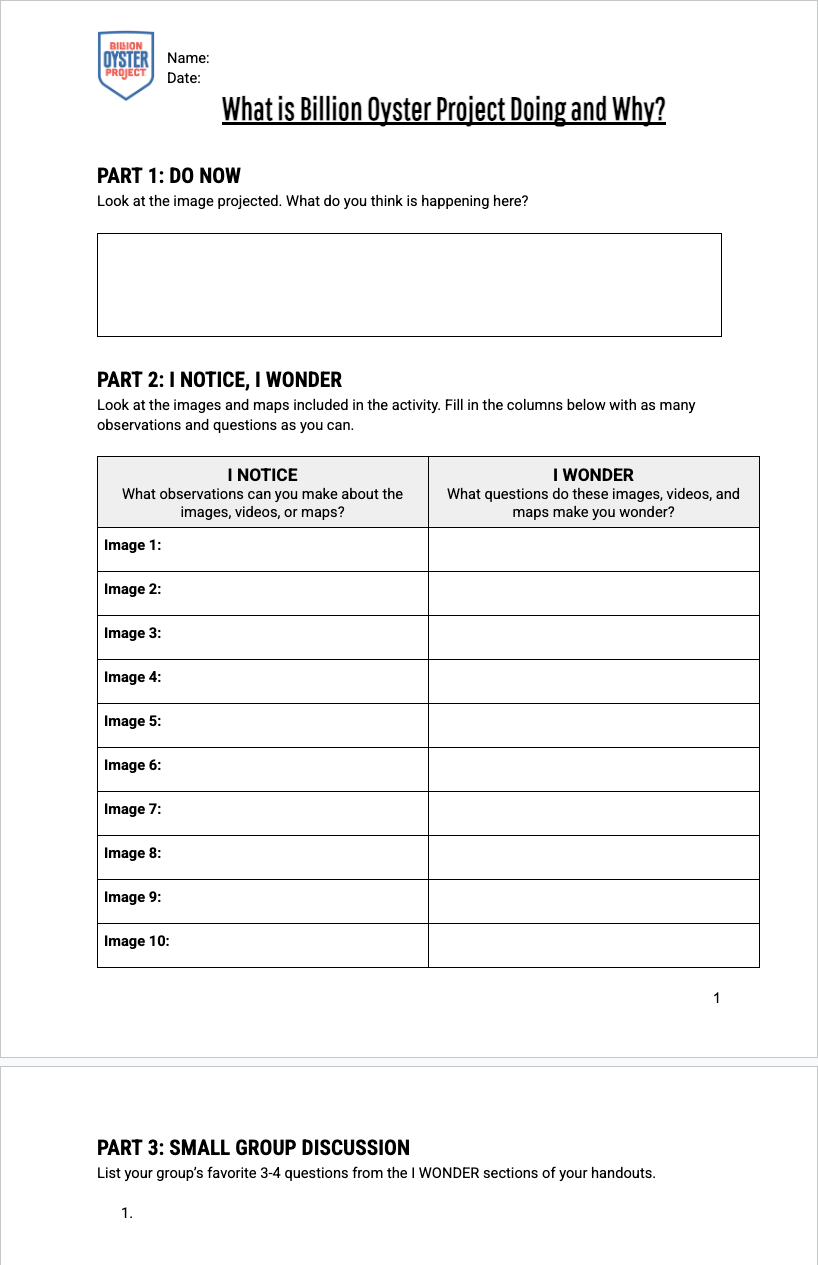
What is Billion Oyster Project Doing?


Did you enjoy teaching this lesson?
Thanks! Any additional thoughts?
Materials & Quick Links
Sign up to access lesson content
Create free teacher credentials to access full lesson plans, downloadable materials, and teaching resources for your classroom.
New York Harbor Past and Present
Lesson
:
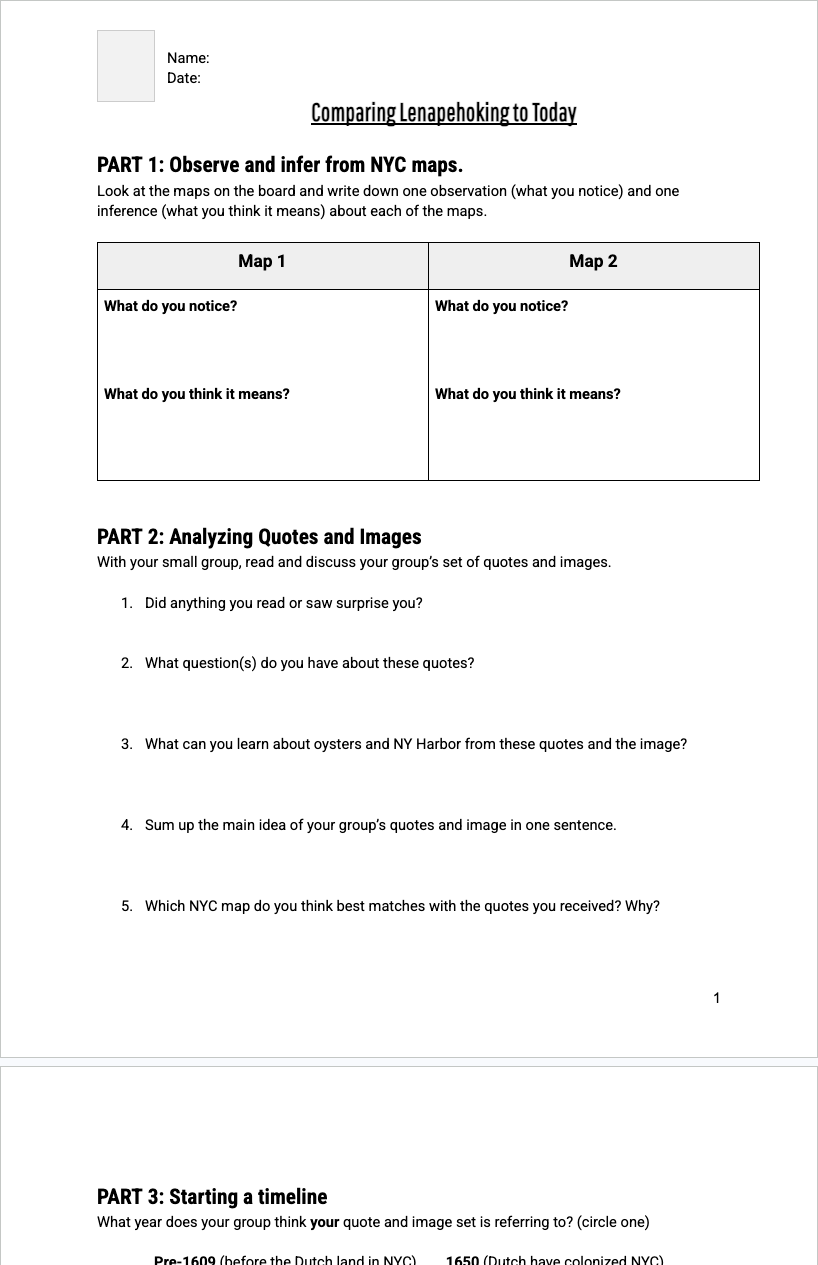
Comparing Lenapehoking to Today
Did you enjoy teaching this lesson?
Thanks! Any additional thoughts?
Materials & Quick Links
Sign up to access lesson content
Create free teacher credentials to access full lesson plans, downloadable materials, and teaching resources for your classroom.
Oysters and their Role in the Harbor Ecosystem
Lesson
:
Oysters are…
Did you enjoy teaching this lesson?
Thanks! Any additional thoughts?
Materials & Quick Links
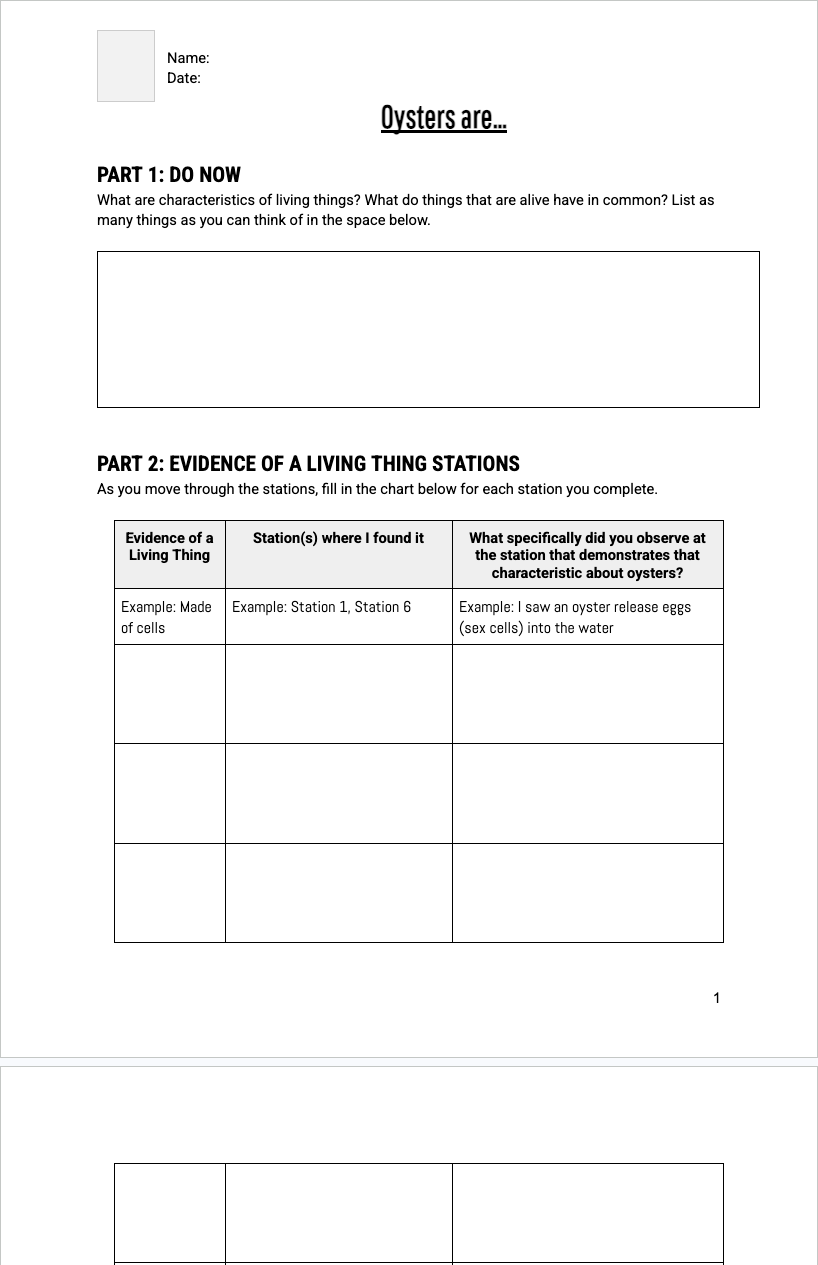
Sign up to access lesson content
Create free teacher credentials to access full lesson plans, downloadable materials, and teaching resources for your classroom.
Oysters and their Role in the Harbor Ecosystem
Lesson
:
Oyster Filtration
Did you enjoy teaching this lesson?
Thanks! Any additional thoughts?
Materials & Quick Links
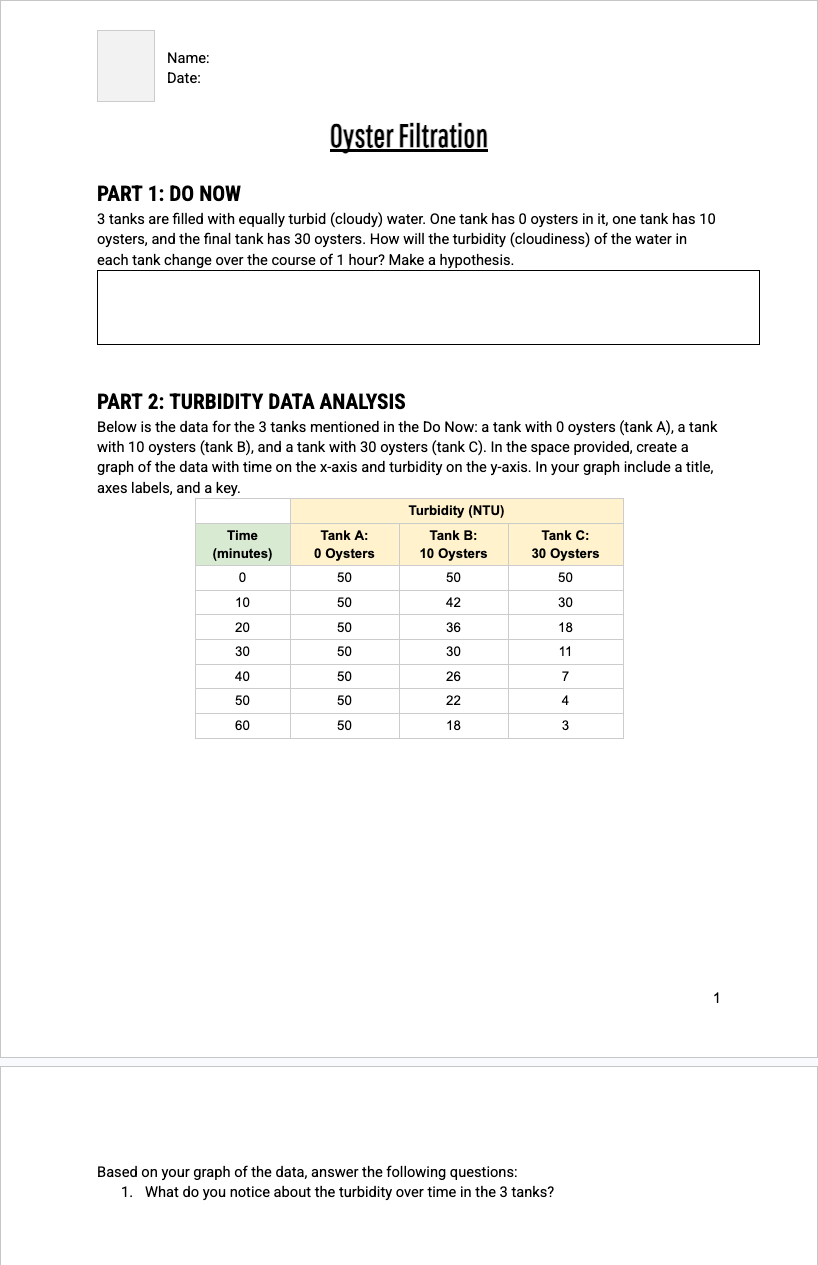
Sign up to access lesson content
Create free teacher credentials to access full lesson plans, downloadable materials, and teaching resources for your classroom.
Oysters and their Role in the Harbor Ecosystem
Lesson
:
Reef Engineering Design Challenge
Did you enjoy teaching this lesson?
Thanks! Any additional thoughts?
Materials & Quick Links
Sign up to access lesson content
Create free teacher credentials to access full lesson plans, downloadable materials, and teaching resources for your classroom.
Oysters and their Role in the Harbor Ecosystem
Lesson
:
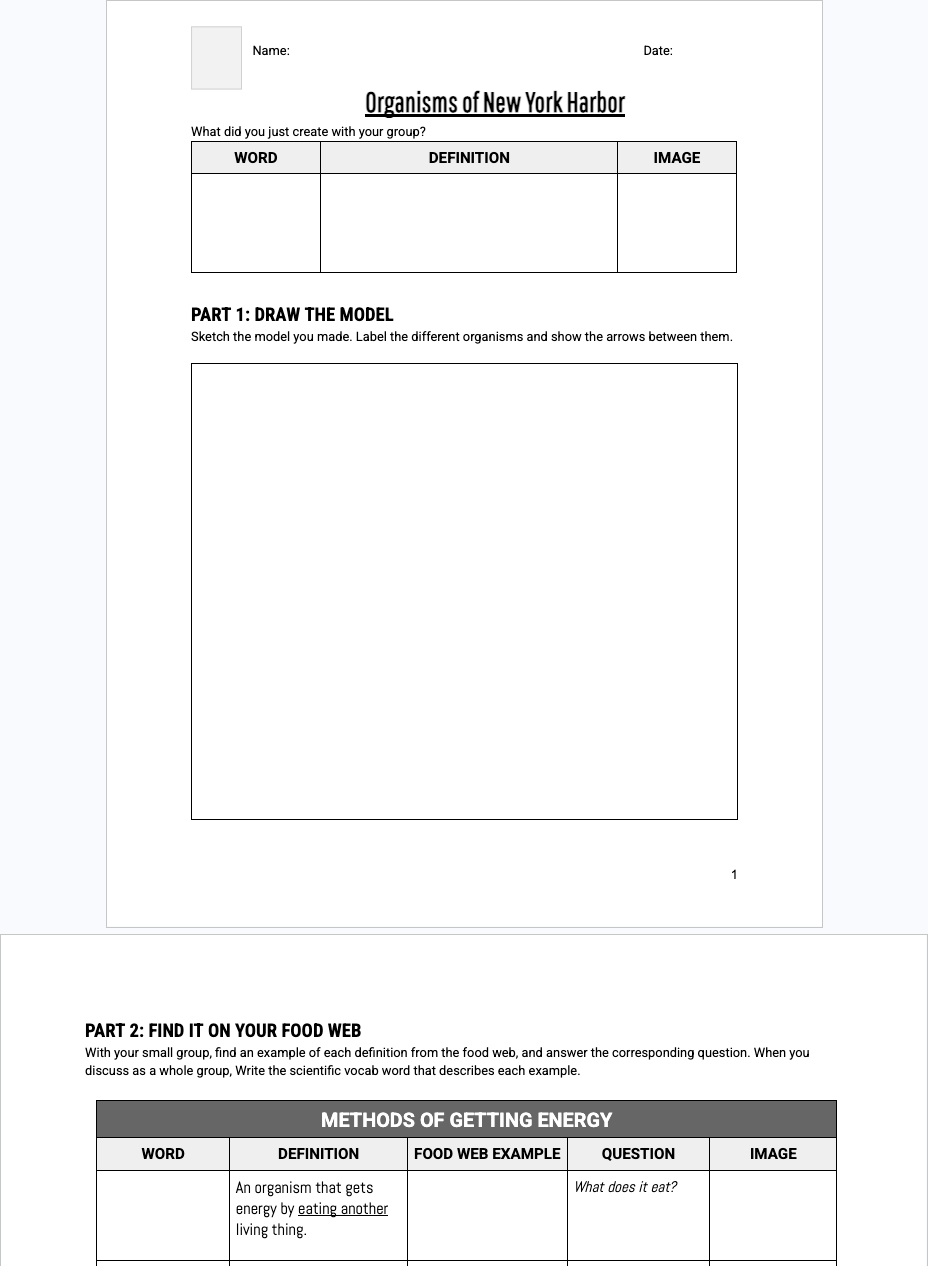
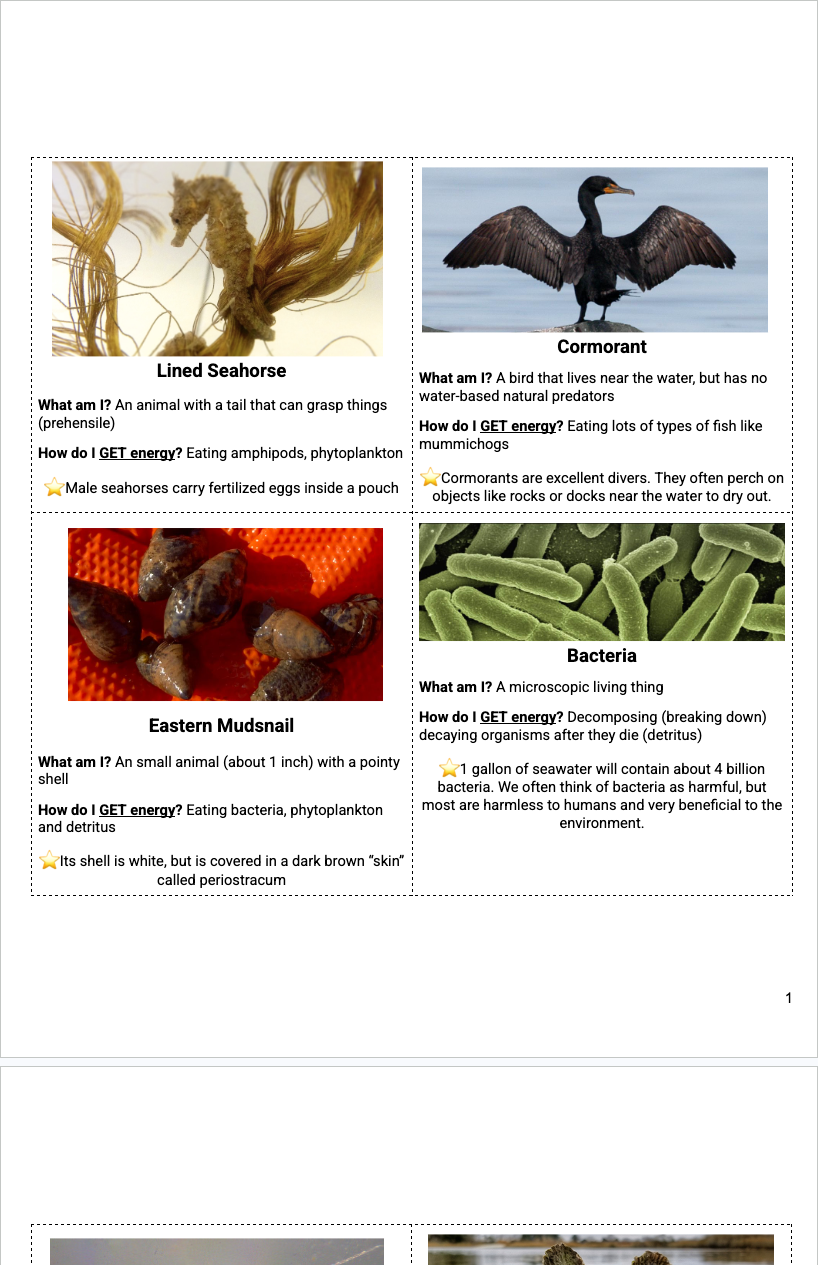
Organisms of NY Harbor
Did you enjoy teaching this lesson?
Thanks! Any additional thoughts?
Materials & Quick Links
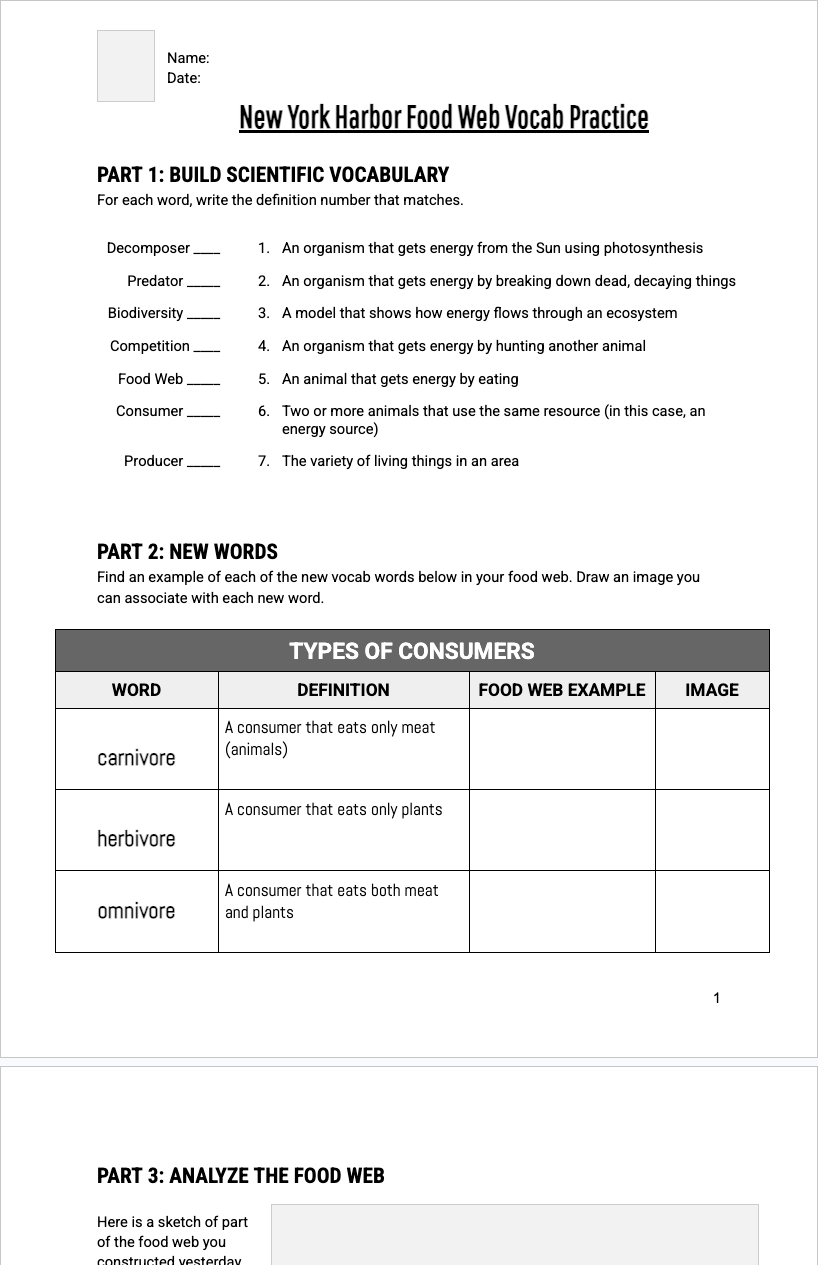
Sign up to access lesson content
Create free teacher credentials to access full lesson plans, downloadable materials, and teaching resources for your classroom.
Oysters and their Role in the Harbor Ecosystem
Lesson
:
Organism Interactions
Did you enjoy teaching this lesson?
Thanks! Any additional thoughts?
Materials & Quick Links
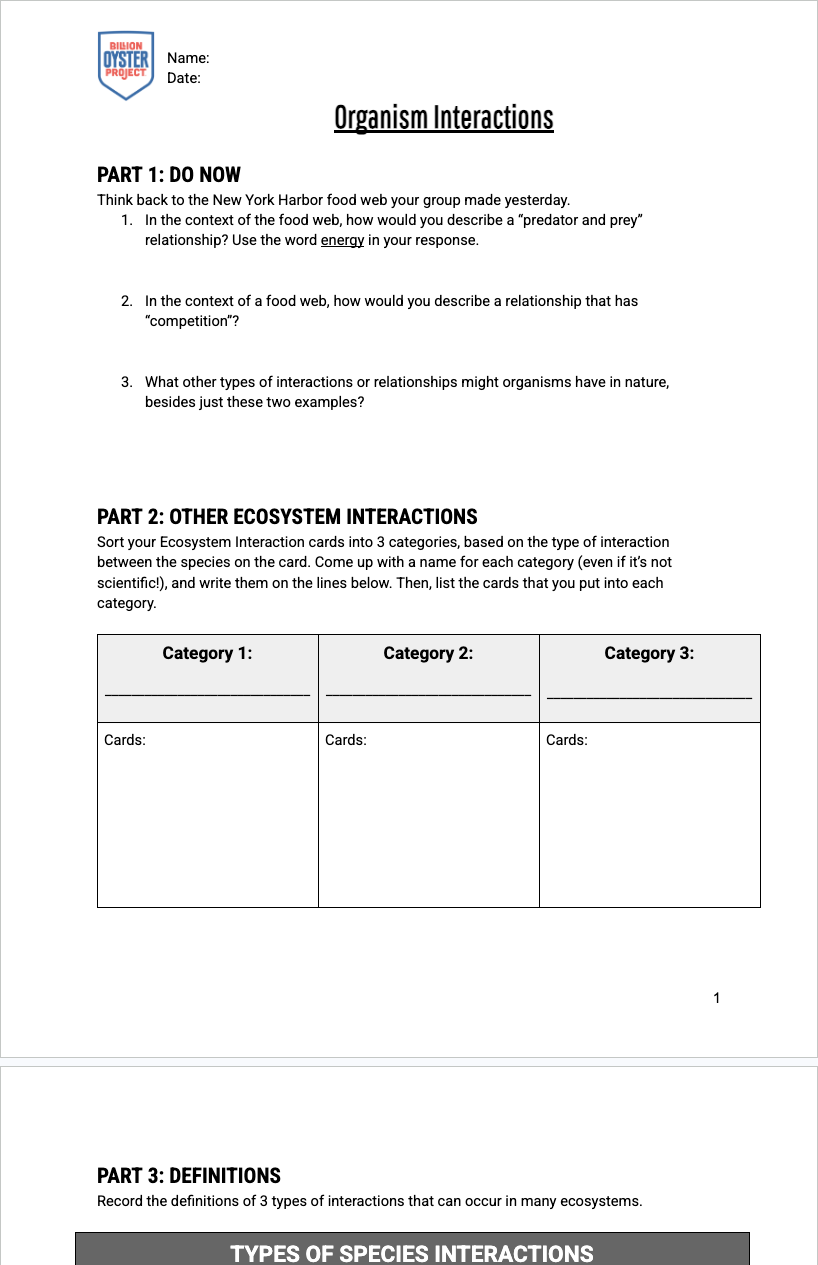
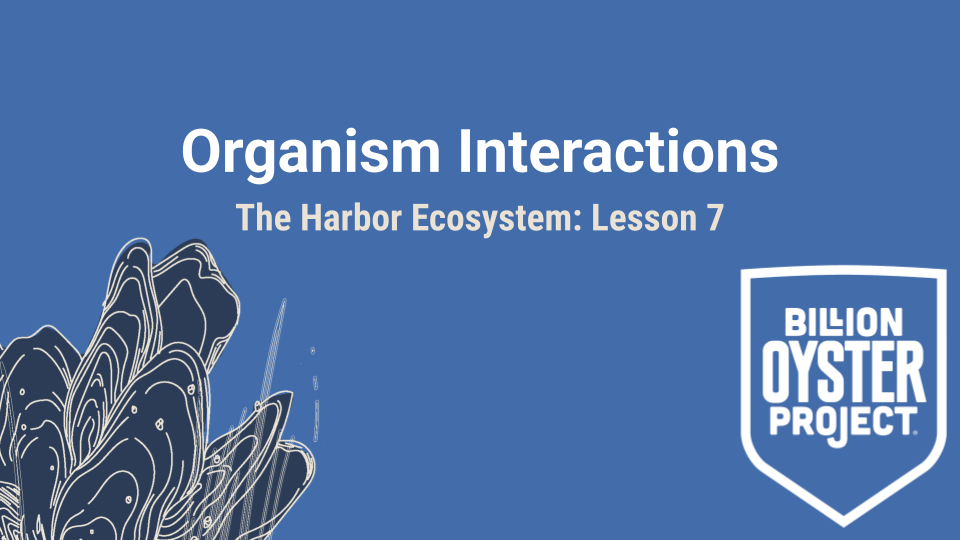
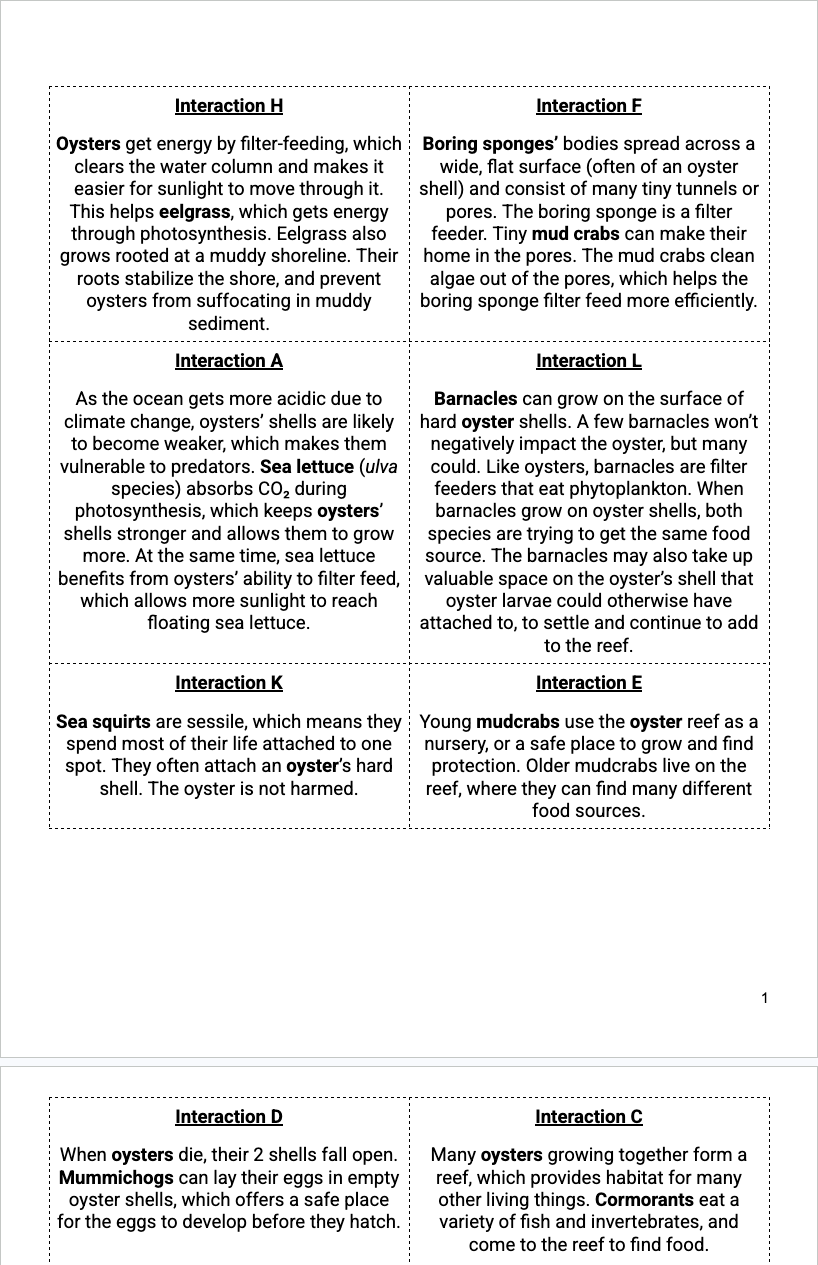
Sign up to access lesson content
Create free teacher credentials to access full lesson plans, downloadable materials, and teaching resources for your classroom.
Oysters and their Role in the Harbor Ecosystem
Lesson
:
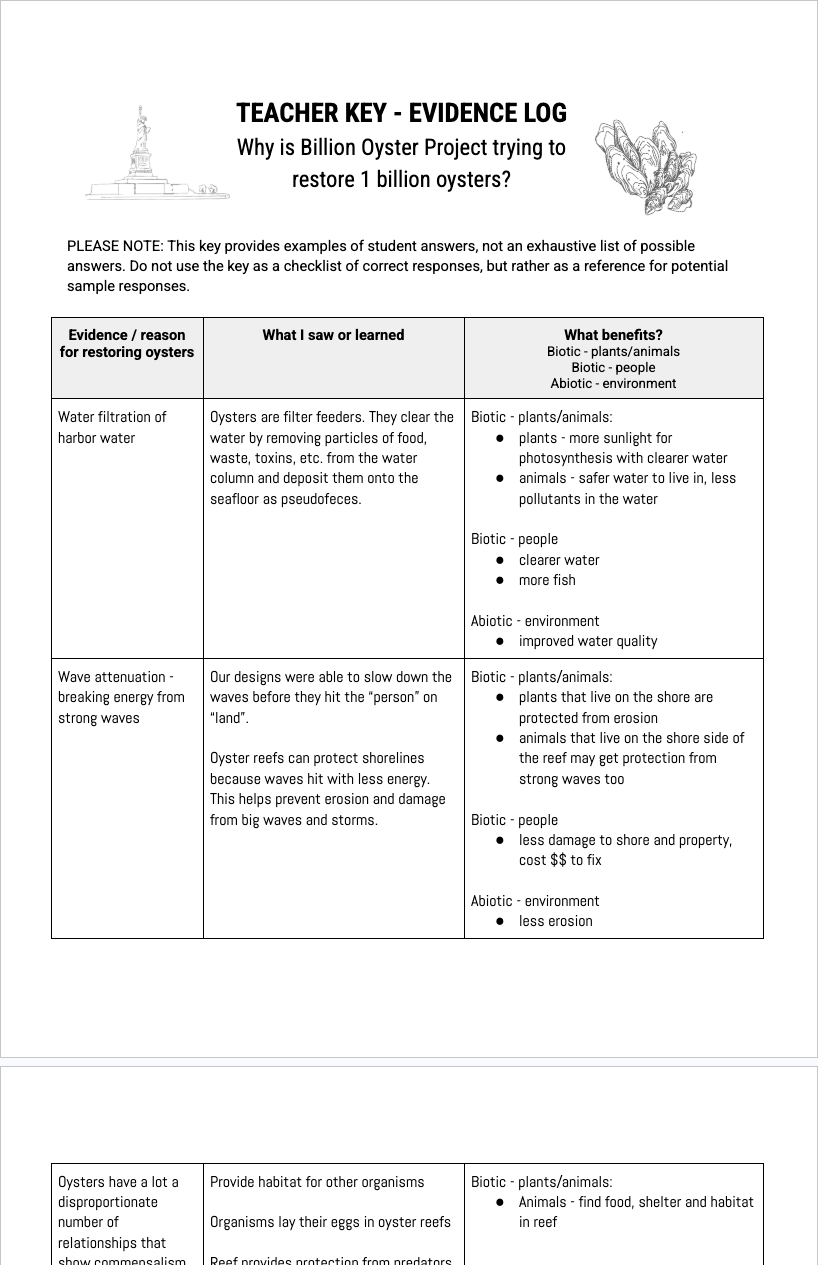
Ecosystem Web Model
Did you enjoy teaching this lesson?
Thanks! Any additional thoughts?
Materials & Quick Links
Sign up to access lesson content
Create free teacher credentials to access full lesson plans, downloadable materials, and teaching resources for your classroom.
Human Impact on the New York Harbor Ecosystem
Lesson
:
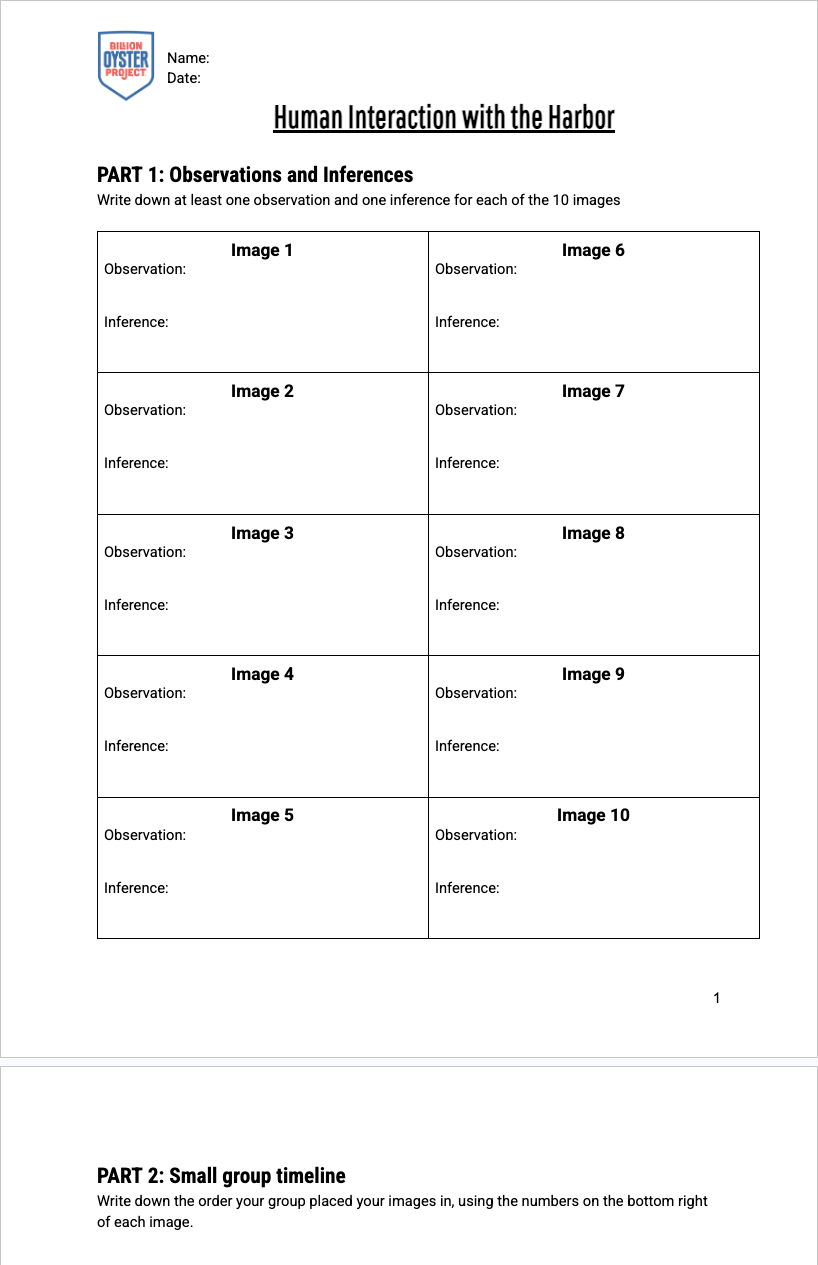
Human Interaction with the Harbor
Did you enjoy teaching this lesson?
Thanks! Any additional thoughts?
Materials & Quick Links
Sign up to access lesson content
Create free teacher credentials to access full lesson plans, downloadable materials, and teaching resources for your classroom.
Human Impact on the New York Harbor Ecosystem
Lesson
:
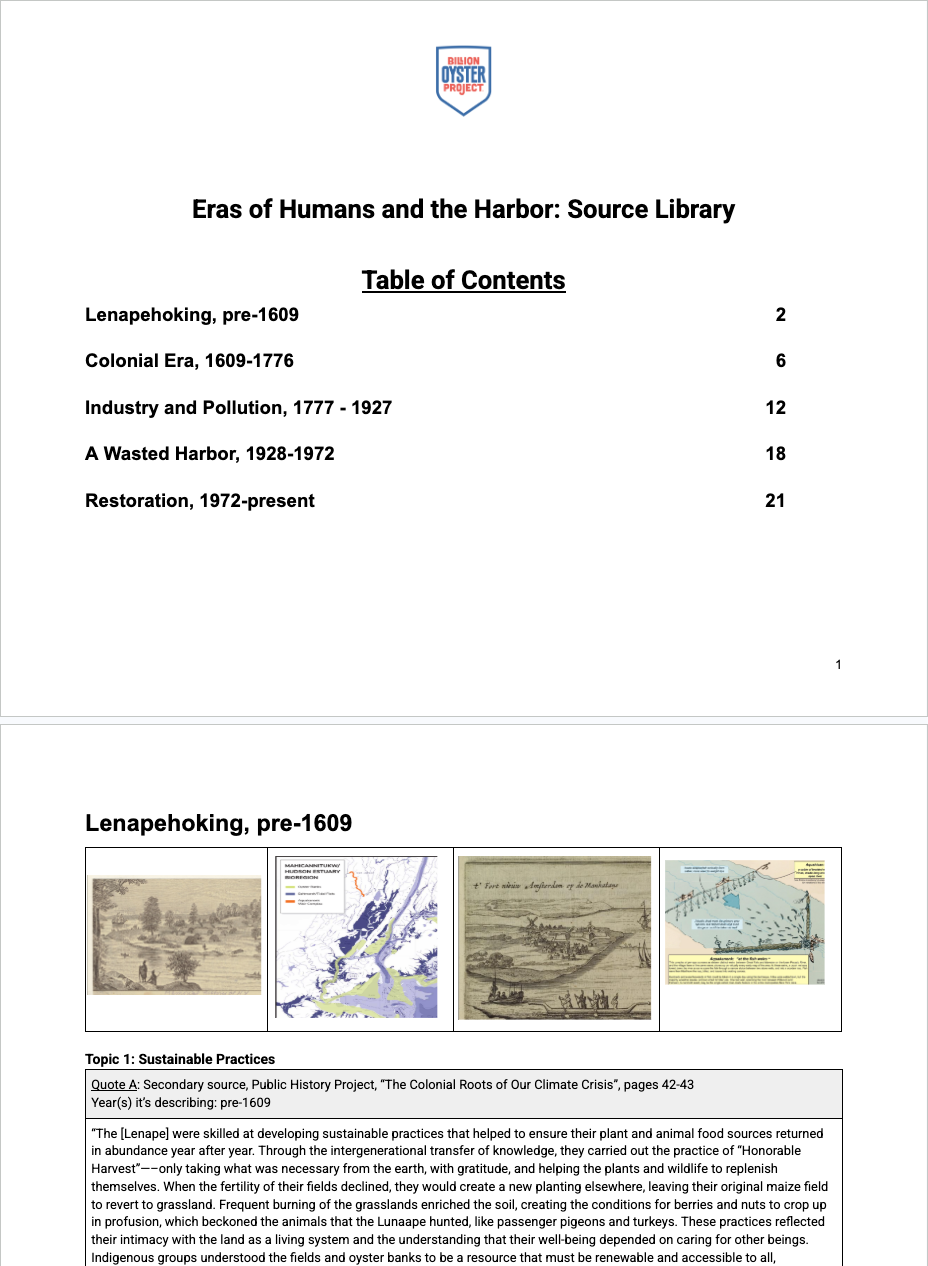
Eras of Humans and the Harbor
Did you enjoy teaching this lesson?
Thanks! Any additional thoughts?
Materials & Quick Links
Sign up to access lesson content
Create free teacher credentials to access full lesson plans, downloadable materials, and teaching resources for your classroom.
Restoring the Harbor Ecosystem
Lesson
:
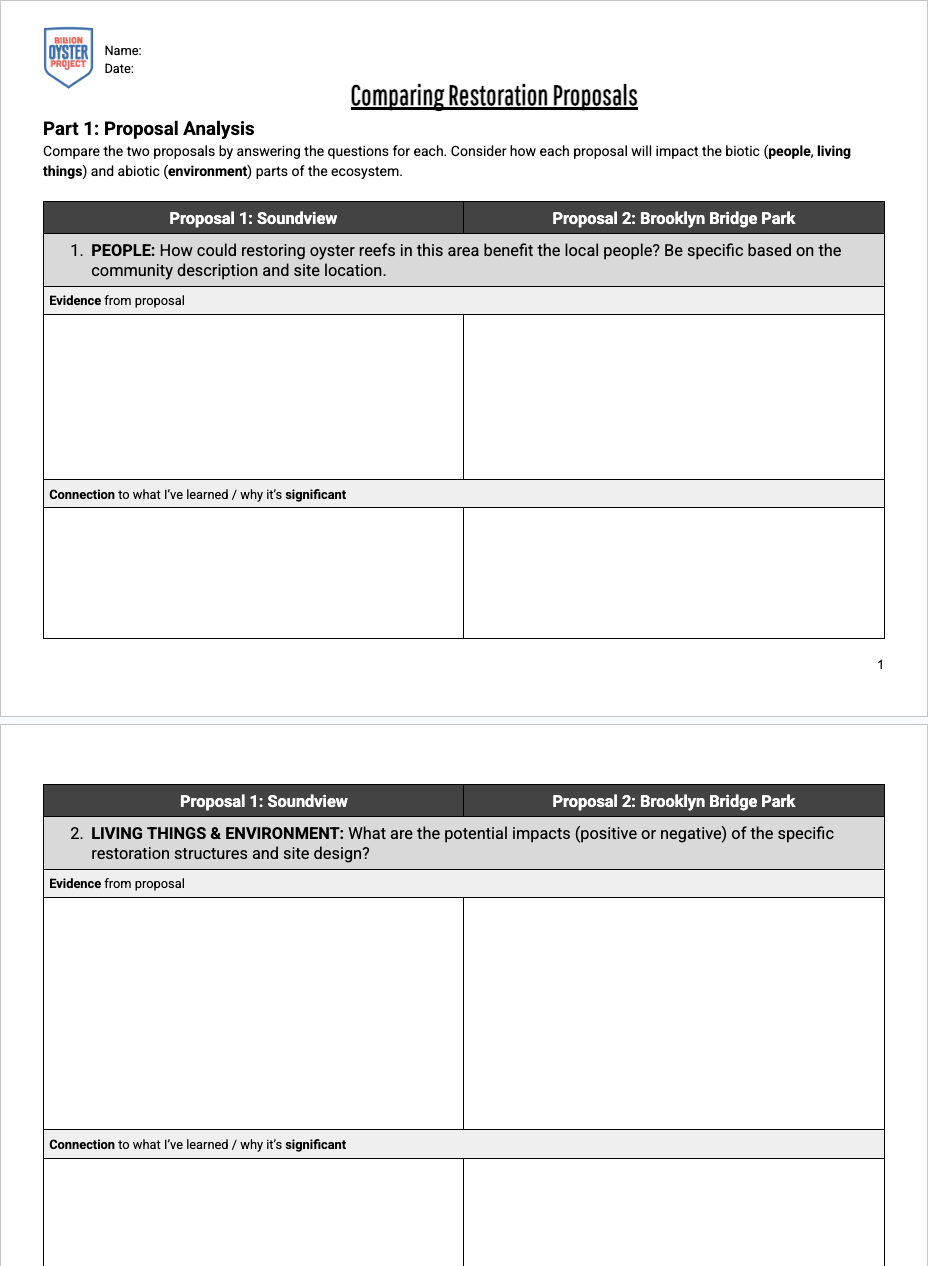
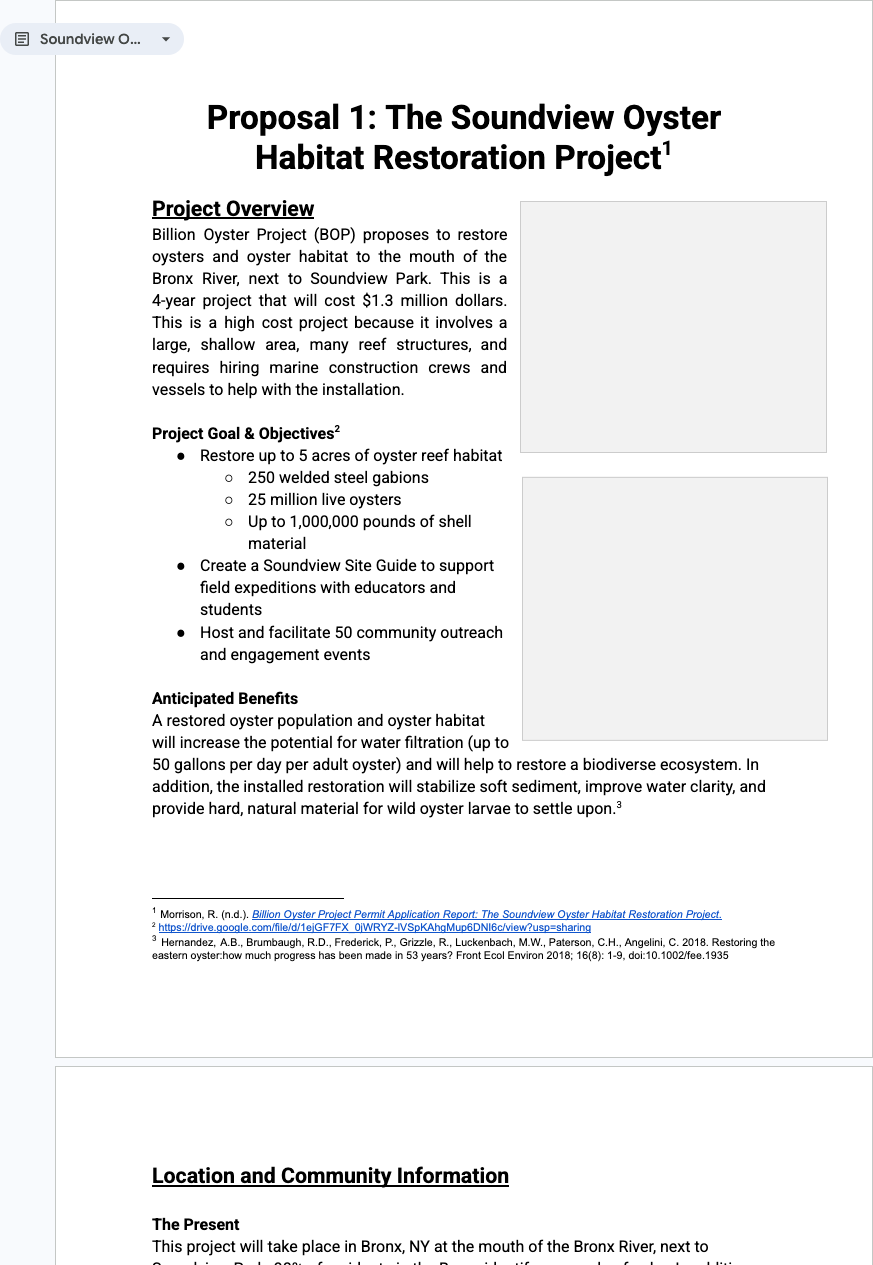
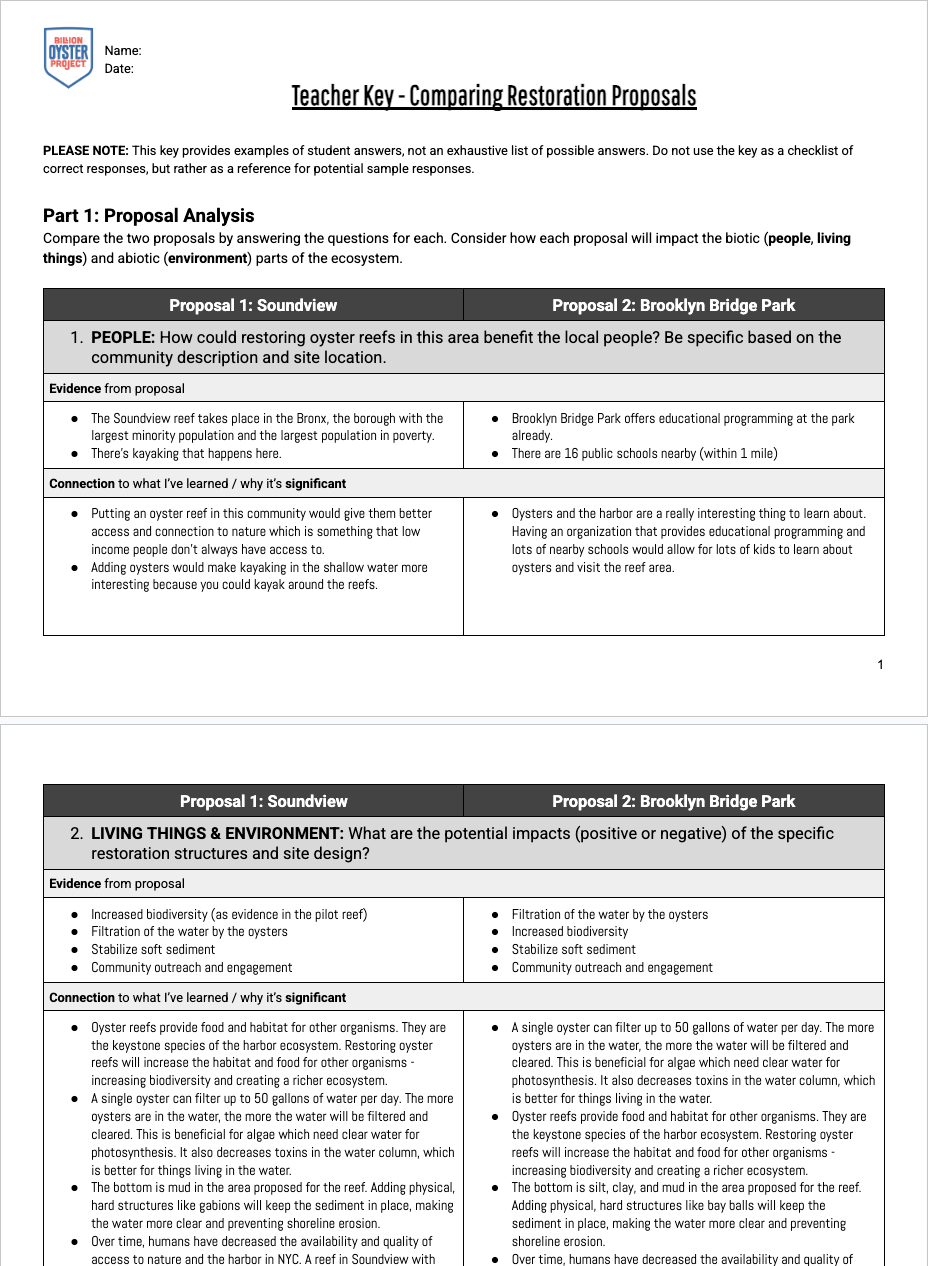
Comparing Restoration Proposals
Did you enjoy teaching this lesson?
Thanks! Any additional thoughts?
Materials & Quick Links
Sign up to access lesson content
Create free teacher credentials to access full lesson plans, downloadable materials, and teaching resources for your classroom.
Restoring the Harbor Ecosystem
Lesson
:
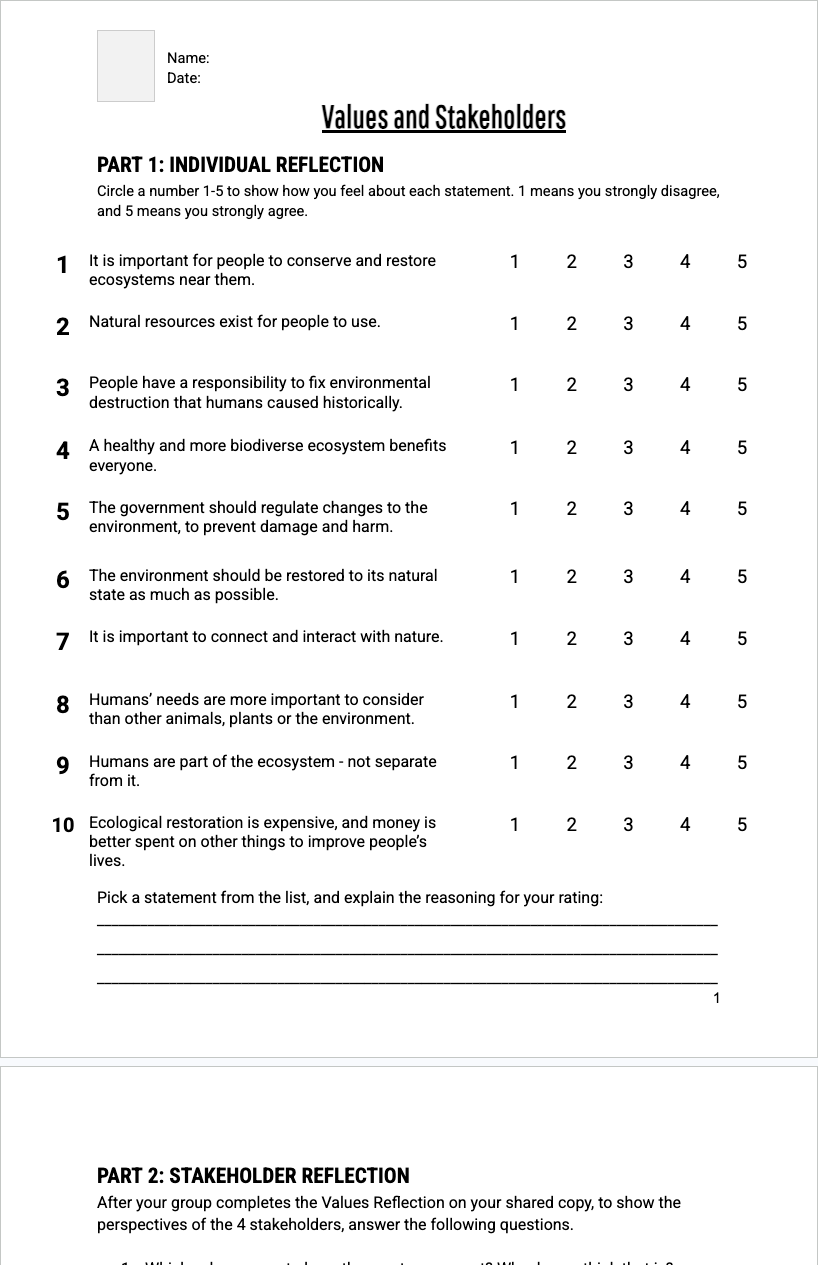
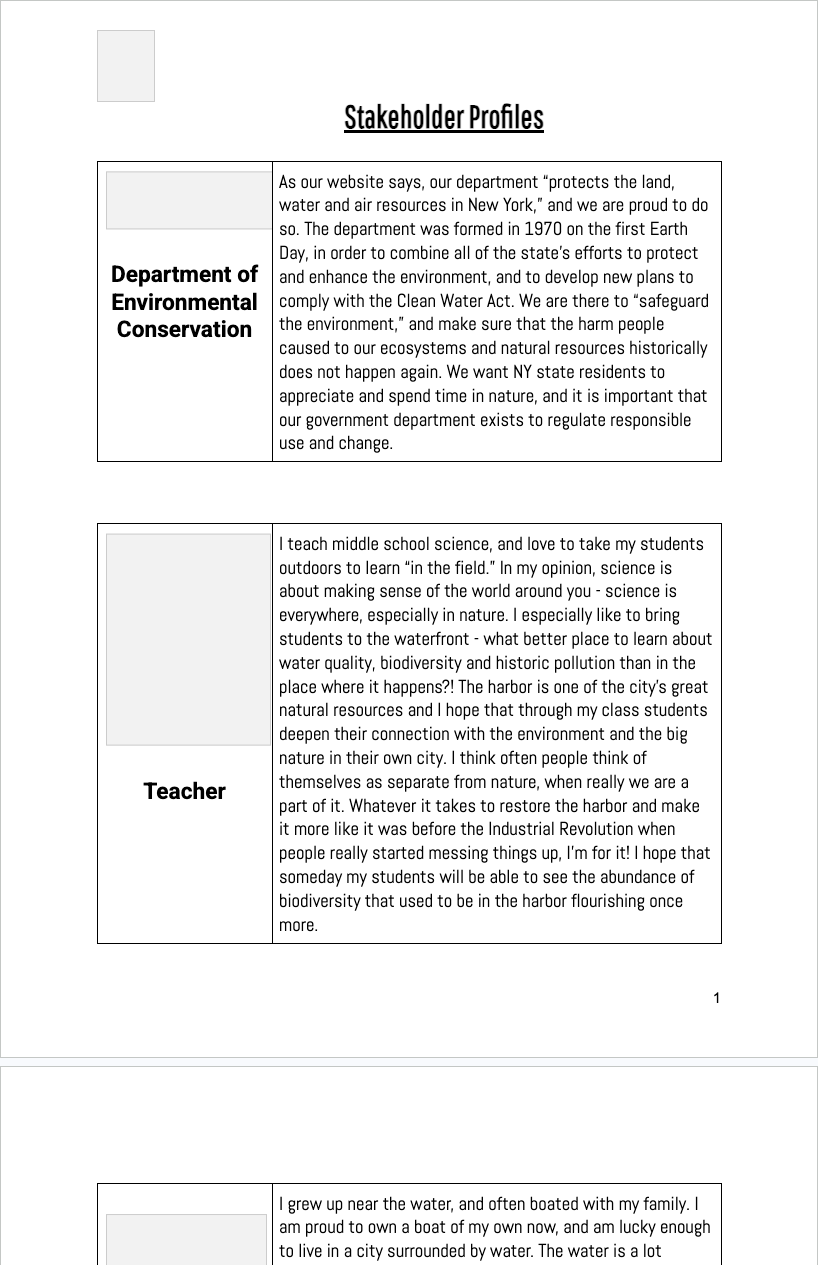
Values & Stakeholder Analysis
Did you enjoy teaching this lesson?
Thanks! Any additional thoughts?
Materials & Quick Links
Sign up to access lesson content
Create free teacher credentials to access full lesson plans, downloadable materials, and teaching resources for your classroom.